
Sign up to save your podcasts
Or

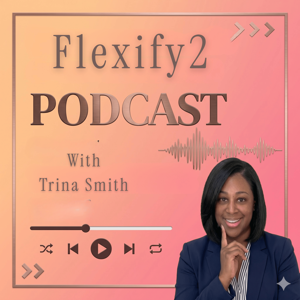

When you trade corporate life for solopreneurship, you leave behind the HR department and the automatic retirement match. In this episode, we break down a hidden superpower in the tax code designed specifically for independent contractors, freelancers, and gig workers: the Solo 401(k). Discover how wearing "two hats" as both employee and employer lets you supercharge your retirement savings, how it compares to a SEP IRA, and the critical administrative drawbacks you must watch out for to protect your nest egg.
Key Takeaways & Timestamps
Intro: The Solopreneur Retirement Crisis
What on Earth is a Solo 401(k)?
The Benefits: Why It’s a Game Changer
The Drawbacks: What's the Catch?
Conclusion & Wrap-Up
2026 Solo 401(k) Quick Reference Guide
Important Contribution Metrics for 2026
Resources & Next Steps
"Beat by DreamLife"
 View all episodes
 By Trina Smith
When you trade corporate life for solopreneurship, you leave behind the HR department and the automatic retirement match. In this episode, we break down a hidden superpower in the tax code designed specifically for independent contractors, freelancers, and gig workers: the Solo 401(k). Discover how wearing "two hats" as both employee and employer lets you supercharge your retirement savings, how it compares to a SEP IRA, and the critical administrative drawbacks you must watch out for to protect your nest egg.
Key Takeaways & Timestamps
Intro: The Solopreneur Retirement Crisis
What on Earth is a Solo 401(k)?
The Benefits: Why It’s a Game Changer
The Drawbacks: What's the Catch?
Conclusion & Wrap-Up
2026 Solo 401(k) Quick Reference Guide
Important Contribution Metrics for 2026
Resources & Next Steps
"Beat by DreamLife"