
Sign up to save your podcasts
Or

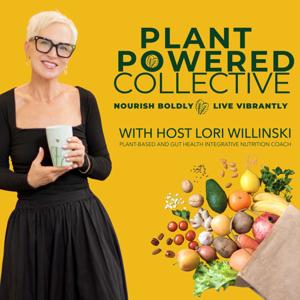

In this episode of the Plant Powered Collective Podcast, Lori continues the Gut Health Series with a deeper look at the gut-brain connection and how the gut responds to more than food.
Building on the previous episode about sugar and the gut, this conversation explores how sleep, stress, sugar, movement, connection, and daily rhythm all influence digestion, cravings, energy, and overall gut health.
Lori also connects the gut-brain axis to the pillars of lifestyle medicine and shares a personal reflection about how her own sleep is affected when her rhythm gets stretched by caregiving, business building, leadership, and life responsibilities.
This episode is a reminder that gut health is not only about what is on the plate. It is also about what is happening around the plate.
In This Episode, You’ll Learn
Science-Backed Takeaway
The gut-brain connection is a real bidirectional communication system between the gut, brain, immune system, nervous system, and microbiome. Research shows that gut microbes may influence sleep through pathways connected to short-chain fatty acids, tryptophan, serotonin, melatonin, GABA, inflammation, and circadian rhythm. Poor sleep and disrupted circadian rhythm may also affect the gut microbiome.
Key Quote
“Your gut does not just digest your food. It responds to your rhythm.”
Lifestyle Medicine Pillars Discussed
Listener Reflection Questions
Simple Practice From the Episode
Choose one on-the-plate practice and one around-the-plate practice this week.
On the plate: Add more fiber, plants, beans, berries, greens, or seeds, or reduce added sugar after dinner and notice how you sleep.
Around the plate: Take a short walk, create an evening transition, sip nighttime tea, put your phone away earlier, pause before meals, or make time for connection.
Nighttime Rhythm Tea
Lori shares a simple nighttime tea made with chamomile, ginger, cinnamon, lemon, and an optional tiny drizzle of maple syrup. This tea is not a cure or magic solution. It is a rhythm and a signal to the body that the day is ending and rest is beginning.
Resources Mentioned
 View all episodes
 By Lori Willinski
In this episode of the Plant Powered Collective Podcast, Lori continues the Gut Health Series with a deeper look at the gut-brain connection and how the gut responds to more than food.
Building on the previous episode about sugar and the gut, this conversation explores how sleep, stress, sugar, movement, connection, and daily rhythm all influence digestion, cravings, energy, and overall gut health.
Lori also connects the gut-brain axis to the pillars of lifestyle medicine and shares a personal reflection about how her own sleep is affected when her rhythm gets stretched by caregiving, business building, leadership, and life responsibilities.
This episode is a reminder that gut health is not only about what is on the plate. It is also about what is happening around the plate.
In This Episode, You’ll Learn
Science-Backed Takeaway
The gut-brain connection is a real bidirectional communication system between the gut, brain, immune system, nervous system, and microbiome. Research shows that gut microbes may influence sleep through pathways connected to short-chain fatty acids, tryptophan, serotonin, melatonin, GABA, inflammation, and circadian rhythm. Poor sleep and disrupted circadian rhythm may also affect the gut microbiome.
Key Quote
“Your gut does not just digest your food. It responds to your rhythm.”
Lifestyle Medicine Pillars Discussed
Listener Reflection Questions
Simple Practice From the Episode
Choose one on-the-plate practice and one around-the-plate practice this week.
On the plate: Add more fiber, plants, beans, berries, greens, or seeds, or reduce added sugar after dinner and notice how you sleep.
Around the plate: Take a short walk, create an evening transition, sip nighttime tea, put your phone away earlier, pause before meals, or make time for connection.
Nighttime Rhythm Tea
Lori shares a simple nighttime tea made with chamomile, ginger, cinnamon, lemon, and an optional tiny drizzle of maple syrup. This tea is not a cure or magic solution. It is a rhythm and a signal to the body that the day is ending and rest is beginning.
Resources Mentioned