
Sign up to save your podcasts
Or


The Montgomery Bus Boycott of 1955 was a landmark moment in the struggle for civil rights and a defining example of collective, nonviolent resistance. Sparked by the arrest of Rosa Parks, a Black American seamstress who refused to surrender her seat to a white passenger, the boycott began on December 5, 1955, in Montgomery, Alabama. For 381 days, Black residents refused to ride city buses. In defiance, they organized carpools and walked miles to work, church, and school. Led by local activists including E.D. Nixon, Jo Ann Robinson, and a young minister named Dr. Martin Luther King Jr., the movement drew national attention. The boycott culminated in a Supreme Court decision declaring segregated seating on public transportation unconstitutional. More than a protest against unfair policies, the boycott marked a turning point that galvanized the Civil Rights Movement, proving the power of coordinated non-violent action to challenge systemic racism and demand equal rights under the law.
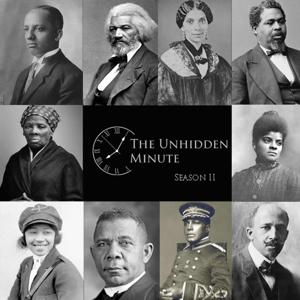
The Joy Trip Project celebrates the enduring legacy of American History. The Unhidden Minute is part of the Unhidden Podcast Project supported through a National Geographic Explorer Grant from the National Geographic Society, with the cooperation of the National Park Service. This series elevates the untold stories of Black American historical figures, events and cultural contributions.
#unhiddenblackhistory #NationalParkService #yourparkstory #NationalGeographic #unhiddenminute
Become a paid subscriber to the Unhidden Minute Podcast for one year and receive a copy The Adventure Gap: Changing the Face of the Outdoors 10th Anniversary Edition by James Edward Mills.
 View all episodes
 By James Edward Mills
The Montgomery Bus Boycott of 1955 was a landmark moment in the struggle for civil rights and a defining example of collective, nonviolent resistance. Sparked by the arrest of Rosa Parks, a Black American seamstress who refused to surrender her seat to a white passenger, the boycott began on December 5, 1955, in Montgomery, Alabama. For 381 days, Black residents refused to ride city buses. In defiance, they organized carpools and walked miles to work, church, and school. Led by local activists including E.D. Nixon, Jo Ann Robinson, and a young minister named Dr. Martin Luther King Jr., the movement drew national attention. The boycott culminated in a Supreme Court decision declaring segregated seating on public transportation unconstitutional. More than a protest against unfair policies, the boycott marked a turning point that galvanized the Civil Rights Movement, proving the power of coordinated non-violent action to challenge systemic racism and demand equal rights under the law.
The Joy Trip Project celebrates the enduring legacy of American History. The Unhidden Minute is part of the Unhidden Podcast Project supported through a National Geographic Explorer Grant from the National Geographic Society, with the cooperation of the National Park Service. This series elevates the untold stories of Black American historical figures, events and cultural contributions.
#unhiddenblackhistory #NationalParkService #yourparkstory #NationalGeographic #unhiddenminute
Become a paid subscriber to the Unhidden Minute Podcast for one year and receive a copy The Adventure Gap: Changing the Face of the Outdoors 10th Anniversary Edition by James Edward Mills.