
Sign up to save your podcasts
Or

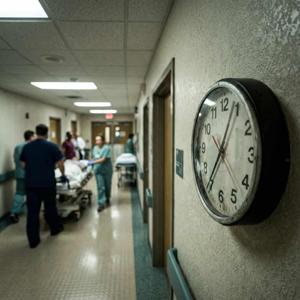

A patient walks into a Georgia emergency department with back pain and red-flag neurologic symptoms. Cauda equina syndrome is on the differential — but instead of an emergent MRI, the workup gets punted to the outpatient setting. By the time imaging happens, the window for a good neurologic outcome has closed. A lawsuit, a comparative-negligence fight, and a hard lesson about ED disposition follow.
In this episode, Bryan walks through the clinical timeline, Sarah unpacks how Georgia’s comparative-negligence rules shaped the litigation, and MICHAEL brings the frontline hospitalist and emergency-medicine perspective: why the “outpatient MRI” pathway is so seductive, where the documentation actually fails, and what you can do on your next shift to keep a suspected CES patient from slipping through the cracks.
Educational purposes only. Not legal advice. Not medical advice.
 View all episodes
 By The Charted Defense
A patient walks into a Georgia emergency department with back pain and red-flag neurologic symptoms. Cauda equina syndrome is on the differential — but instead of an emergent MRI, the workup gets punted to the outpatient setting. By the time imaging happens, the window for a good neurologic outcome has closed. A lawsuit, a comparative-negligence fight, and a hard lesson about ED disposition follow.
In this episode, Bryan walks through the clinical timeline, Sarah unpacks how Georgia’s comparative-negligence rules shaped the litigation, and MICHAEL brings the frontline hospitalist and emergency-medicine perspective: why the “outpatient MRI” pathway is so seductive, where the documentation actually fails, and what you can do on your next shift to keep a suspected CES patient from slipping through the cracks.
Educational purposes only. Not legal advice. Not medical advice.