
Sign up to save your podcasts
Or

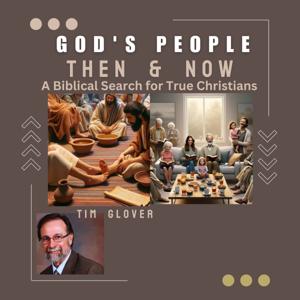

The second coming of Christ serves as the focal point of our discussion today, particularly within the historical context of the first century. We dive into the significance of this event for early Christian leaders, emphasizing how the miraculous outpouring of the Holy Spirit equipped them to endure tribulations and prepare for Christ's return. By examining scriptural references, we aim to illustrate that the leadership gifts bestowed upon the first-century saints were not intended for replication in our modern world, as they were specifically designed to address the needs of that unique period. This exploration leads us to consider the implications of Christ's victory over death and the grave, which not only fulfilled God's promises but also altered the course of spiritual leadership and community. So, grab your headphones and get comfortable, because we’re about to unravel some profound truths about faith, expectation, and the hope of resurrection!
The episode embarks on an intriguing journey through the eschatological landscape of the first-century saints, focusing on the significance of the second coming of Christ within the context of early Christian leadership. By examining the gifts bestowed upon early believers, the speaker argues that these were essential for preparing the faithful for Christ's imminent return. This perspective not only highlights the urgency felt by the first-century saints but also suggests that the roles and gifts of leadership were tailored specifically for that historical moment, raising questions about their applicability today. The discussion deftly navigates the complexities of how these early Christians understood their prophetic messages, emphasizing the transformative nature of Christ's resurrection as a pivotal moment in salvation history.
The resurrection is not merely a return to physical life but rather a profound spiritual transformation that signifies hope and renewal. By discussing the nature of death—both physical and spiritual—they invite listeners to reconsider their understanding of life after death, framing it within the context of restored fellowship with God. This rich theological exploration encourages a deeper contemplation of the promises inherent in the Gospel, especially in light of the early church’s anticipatory expectations of Christ's return.
Towards the end of the episode, the speaker challenges the notion of an extended 'last days' period, arguing that if the second coming has not yet occurred, it complicates the timeline of biblical prophecy. Such a view contradicts the original urgency expressed by the early Christians and raises questions about the nature of inspiration and the interpretation of key biblical texts. The dialogue culminates in a call for a reassessment of these eschatological beliefs, urging listeners to engage with the historical context and the original intent of the Scriptures. By unpacking these nuanced ideas, the episode not only enriches the listener's understanding of early Christian thought but also fosters a deeper engagement with contemporary faith practices.
Takeaways:
 View all episodes
 By Tim Glover
The second coming of Christ serves as the focal point of our discussion today, particularly within the historical context of the first century. We dive into the significance of this event for early Christian leaders, emphasizing how the miraculous outpouring of the Holy Spirit equipped them to endure tribulations and prepare for Christ's return. By examining scriptural references, we aim to illustrate that the leadership gifts bestowed upon the first-century saints were not intended for replication in our modern world, as they were specifically designed to address the needs of that unique period. This exploration leads us to consider the implications of Christ's victory over death and the grave, which not only fulfilled God's promises but also altered the course of spiritual leadership and community. So, grab your headphones and get comfortable, because we’re about to unravel some profound truths about faith, expectation, and the hope of resurrection!
The episode embarks on an intriguing journey through the eschatological landscape of the first-century saints, focusing on the significance of the second coming of Christ within the context of early Christian leadership. By examining the gifts bestowed upon early believers, the speaker argues that these were essential for preparing the faithful for Christ's imminent return. This perspective not only highlights the urgency felt by the first-century saints but also suggests that the roles and gifts of leadership were tailored specifically for that historical moment, raising questions about their applicability today. The discussion deftly navigates the complexities of how these early Christians understood their prophetic messages, emphasizing the transformative nature of Christ's resurrection as a pivotal moment in salvation history.
The resurrection is not merely a return to physical life but rather a profound spiritual transformation that signifies hope and renewal. By discussing the nature of death—both physical and spiritual—they invite listeners to reconsider their understanding of life after death, framing it within the context of restored fellowship with God. This rich theological exploration encourages a deeper contemplation of the promises inherent in the Gospel, especially in light of the early church’s anticipatory expectations of Christ's return.
Towards the end of the episode, the speaker challenges the notion of an extended 'last days' period, arguing that if the second coming has not yet occurred, it complicates the timeline of biblical prophecy. Such a view contradicts the original urgency expressed by the early Christians and raises questions about the nature of inspiration and the interpretation of key biblical texts. The dialogue culminates in a call for a reassessment of these eschatological beliefs, urging listeners to engage with the historical context and the original intent of the Scriptures. By unpacking these nuanced ideas, the episode not only enriches the listener's understanding of early Christian thought but also fosters a deeper engagement with contemporary faith practices.
Takeaways: