
Sign up to save your podcasts
Or

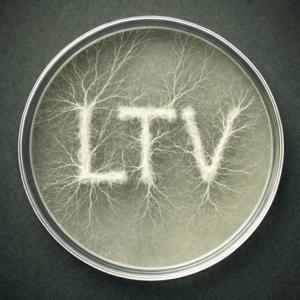

Lactarius turpis, commonly known as the Ugly Milkcap, is one of the most controversial mushrooms in the world—labeled poisonous in Western field guides yet traditionally consumed across Eastern Europe and Russia after careful preparation.
At the center of this paradox is a mysterious compound called necatorin, which shows mutagenic effects in bacterial tests but has not demonstrated the same harmful impact in mammals. This has created decades of scientific debate: is this mushroom truly dangerous, or simply misunderstood?
Beyond its toxic reputation, L. turpis is a powerful environmental sentinel. It is capable of hyper-accumulating heavy metals, including lead, mercury, and radioactive Cesium-137, making it both a potential ecological indicator and a risky food source depending on where it grows.
Its biology is equally fascinating. The mushroom forms a strict ectomycorrhizal relationship with birch trees, playing a crucial role in nutrient exchange in boreal forests. Through this partnership, it helps sustain tree growth in nutrient-poor soils while integrating into vast underground fungal networks.
For identification, L. turpis has a unique chemical signature: when exposed to strong bases like potassium hydroxide (KOH), it produces an instant purple reaction, a diagnostic feature used by expert mycologists. Its dark, greasy cap is colored by specialized pigments such as necatorone, contributing to its “ugly” appearance.
Despite its reputation, the mushroom has surprising nutritional qualities. It contains significant levels of tocopherols (Vitamin E) and mannitol, highlighting a strange contrast between toxicity concerns and nutritional value.
This episode explores the necatorin controversy, heavy metal accumulation, ecological role, diagnostic chemistry, and cultural contradictions of one of the most misunderstood fungi on Earth.
00:00 Introduction to the Ugly Milkcap
02:12 Why Is It Called “Ugly”?
04:45 The Necatorin Toxicity Debate
08:21 Poisonous or Edible? Cultural Divide
12:03 Heavy Metal & Radiation Accumulation
15:48 Birch Symbiosis & Forest Ecology
18:27 KOH Purple Reaction Explained
20:41 Pigments & Chemical Identity
22:36 Nutritional Paradox
24:10 Final Thoughts
lactarius turpis, ugly milkcap, necatorin mushroom, poisonous milkcap, edible vs toxic mushrooms, radioactive fungi, cesium 137 mushrooms, birch mycorrhiza, fungal chemistry, mushroom toxins, hypomyces fungi, weird mushrooms, mycology podcast, boreal forest fungi, mushroom identification, lactarius species
#lactariusturpis #uglymilkcap #fungalfacts #mycology #weirdfungi #mushroomscience #fungalchemistry #rarefungi #sciencepodcast #bizarrefungi
 View all episodes
 By District Podcasts
Lactarius turpis, commonly known as the Ugly Milkcap, is one of the most controversial mushrooms in the world—labeled poisonous in Western field guides yet traditionally consumed across Eastern Europe and Russia after careful preparation.
At the center of this paradox is a mysterious compound called necatorin, which shows mutagenic effects in bacterial tests but has not demonstrated the same harmful impact in mammals. This has created decades of scientific debate: is this mushroom truly dangerous, or simply misunderstood?
Beyond its toxic reputation, L. turpis is a powerful environmental sentinel. It is capable of hyper-accumulating heavy metals, including lead, mercury, and radioactive Cesium-137, making it both a potential ecological indicator and a risky food source depending on where it grows.
Its biology is equally fascinating. The mushroom forms a strict ectomycorrhizal relationship with birch trees, playing a crucial role in nutrient exchange in boreal forests. Through this partnership, it helps sustain tree growth in nutrient-poor soils while integrating into vast underground fungal networks.
For identification, L. turpis has a unique chemical signature: when exposed to strong bases like potassium hydroxide (KOH), it produces an instant purple reaction, a diagnostic feature used by expert mycologists. Its dark, greasy cap is colored by specialized pigments such as necatorone, contributing to its “ugly” appearance.
Despite its reputation, the mushroom has surprising nutritional qualities. It contains significant levels of tocopherols (Vitamin E) and mannitol, highlighting a strange contrast between toxicity concerns and nutritional value.
This episode explores the necatorin controversy, heavy metal accumulation, ecological role, diagnostic chemistry, and cultural contradictions of one of the most misunderstood fungi on Earth.
00:00 Introduction to the Ugly Milkcap
02:12 Why Is It Called “Ugly”?
04:45 The Necatorin Toxicity Debate
08:21 Poisonous or Edible? Cultural Divide
12:03 Heavy Metal & Radiation Accumulation
15:48 Birch Symbiosis & Forest Ecology
18:27 KOH Purple Reaction Explained
20:41 Pigments & Chemical Identity
22:36 Nutritional Paradox
24:10 Final Thoughts
lactarius turpis, ugly milkcap, necatorin mushroom, poisonous milkcap, edible vs toxic mushrooms, radioactive fungi, cesium 137 mushrooms, birch mycorrhiza, fungal chemistry, mushroom toxins, hypomyces fungi, weird mushrooms, mycology podcast, boreal forest fungi, mushroom identification, lactarius species
#lactariusturpis #uglymilkcap #fungalfacts #mycology #weirdfungi #mushroomscience #fungalchemistry #rarefungi #sciencepodcast #bizarrefungi