
Sign up to save your podcasts
Or

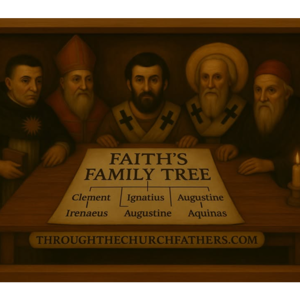

Judgment, repentance, and the Fatherhood of God—today’s readings hold these together with striking clarity. In Second Clement (Chapters 16–20), we are reminded that the day of the Lord comes like a burning oven (Malachi 4:1). Hidden works will be revealed, and present delay is not indifference but mercy. Almsgiving, love, and repentance are not small matters; they prepare us for resurrection and glory. Augustine, in Confessions 5.10 (18), exposes the deeper danger: sin becomes most incurable when we deny that it is ours. His pride preferred blaming another “nature” rather than confessing, “I have sinned against You” (Psalm 41:4). True healing begins where self-excuse ends. Aquinas, in Summa Theologica I, Question 33 (Articles 1–4), lifts our eyes to the eternal mystery behind our salvation. “Father” is not sentimental language but a real relation of origin—the one who eternally begets the Son. Distinction without division; relation without fragmentation. The God who judges is the Father who eternally gives. Repentance, endurance, and reverent clarity belong together.
Second Clement, Chapters 16–20
Augustine, Confessions 5.10 (18)
Thomas Aquinas, Summa Theologica I, Question 33 (Articles 1–4)
Explore the Project:
Through the Church Fathers – https://www.throughthechurchfathers.com
Patreon – https://www.patreon.com/cmichaelpatton
Credo Courses – https://www.credocourses.com
Credo Ministries – https://www.credoministries.org
#EarlyChurchFathers #SecondClement #Augustine #ThomasAquinas #ChurchHistory #ChristianTheology #Patristics #Confessions #SummaTheologica #ThroughTheChurchFathers
 View all episodes
 By C. Michael Patton
Judgment, repentance, and the Fatherhood of God—today’s readings hold these together with striking clarity. In Second Clement (Chapters 16–20), we are reminded that the day of the Lord comes like a burning oven (Malachi 4:1). Hidden works will be revealed, and present delay is not indifference but mercy. Almsgiving, love, and repentance are not small matters; they prepare us for resurrection and glory. Augustine, in Confessions 5.10 (18), exposes the deeper danger: sin becomes most incurable when we deny that it is ours. His pride preferred blaming another “nature” rather than confessing, “I have sinned against You” (Psalm 41:4). True healing begins where self-excuse ends. Aquinas, in Summa Theologica I, Question 33 (Articles 1–4), lifts our eyes to the eternal mystery behind our salvation. “Father” is not sentimental language but a real relation of origin—the one who eternally begets the Son. Distinction without division; relation without fragmentation. The God who judges is the Father who eternally gives. Repentance, endurance, and reverent clarity belong together.
Second Clement, Chapters 16–20
Augustine, Confessions 5.10 (18)
Thomas Aquinas, Summa Theologica I, Question 33 (Articles 1–4)
Explore the Project:
Through the Church Fathers – https://www.throughthechurchfathers.com
Patreon – https://www.patreon.com/cmichaelpatton
Credo Courses – https://www.credocourses.com
Credo Ministries – https://www.credoministries.org
#EarlyChurchFathers #SecondClement #Augustine #ThomasAquinas #ChurchHistory #ChristianTheology #Patristics #Confessions #SummaTheologica #ThroughTheChurchFathers