
Sign up to save your podcasts
Or

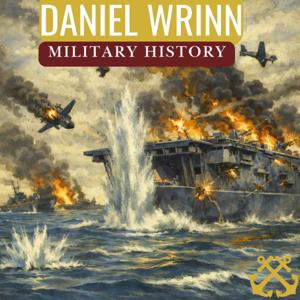

Get the book: https://www.amazon.com/World-War-Pacific-Campaigns-Guadalcanal-ebook/dp/B0949C9YSS
Tinian 1944 was the amphibious operation everyone wanted to replicate—fast, efficient, and executed almost perfectly.
Just 6 miles from Saipan, this tiny island would become home to North Field, where the Enola Gay launched the atomic bomb that ended the war.This video breaks down why
Tinian worked when so many other Pacific assaults turned into bloodbaths. The brilliant deception had the Japanese defending the north beaches while Marines landed at the south.
It was the first combat use of napalm and the debut of the "shore to shore" concept—staging from nearby Saipan instead of ships. The result was the fastest major island capture in the Pacific War and the most important airfield in the theater. Tinian proved the US had mastered amphibious warfare.
#PacificWar #WWII #Tinian #MilitaryHistory #AmphibiousWarfare #MarineCorps
 View all episodes
 By Daniel Wrinn
Get the book: https://www.amazon.com/World-War-Pacific-Campaigns-Guadalcanal-ebook/dp/B0949C9YSS
Tinian 1944 was the amphibious operation everyone wanted to replicate—fast, efficient, and executed almost perfectly.
Just 6 miles from Saipan, this tiny island would become home to North Field, where the Enola Gay launched the atomic bomb that ended the war.This video breaks down why
Tinian worked when so many other Pacific assaults turned into bloodbaths. The brilliant deception had the Japanese defending the north beaches while Marines landed at the south.
It was the first combat use of napalm and the debut of the "shore to shore" concept—staging from nearby Saipan instead of ships. The result was the fastest major island capture in the Pacific War and the most important airfield in the theater. Tinian proved the US had mastered amphibious warfare.
#PacificWar #WWII #Tinian #MilitaryHistory #AmphibiousWarfare #MarineCorps