
Sign up to save your podcasts
Or

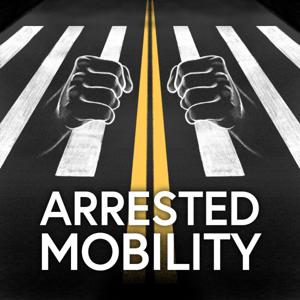

For many Americans, taking public transit can be a difficult daily trial. Depending on where people live, and where they're going, buses or trains may only come once every thirty minutes to an hour. Or, in some cases, they may not come at all. Riders might have to transfer one, two, maybe three times, and even walk or roll long distances between each stop.
Many bus stops lack important amenities, like benches, shelters, and lights, so that commuters can wait comfortably for their next ride. And not every bus stop is ADA-compliant, so public transit for people with disabilities - particularly Black people with disabilities - can be especially inconvenient, and even dangerous.
Our public transit systems are supposed to be designed for everyone. Instead, bus and train lines often leave behind people living in low-income communities of color.
Inequity in public transit is just one way that Black Americans, particularly Black women and disabled commuters, have had their mobility arrested. Today, we're untangling all the ways that transit networks are failing the people they are meant to serve.
 View all episodes
 By Charles T. Brown
5
5959 ratings
For many Americans, taking public transit can be a difficult daily trial. Depending on where people live, and where they're going, buses or trains may only come once every thirty minutes to an hour. Or, in some cases, they may not come at all. Riders might have to transfer one, two, maybe three times, and even walk or roll long distances between each stop.
Many bus stops lack important amenities, like benches, shelters, and lights, so that commuters can wait comfortably for their next ride. And not every bus stop is ADA-compliant, so public transit for people with disabilities - particularly Black people with disabilities - can be especially inconvenient, and even dangerous.
Our public transit systems are supposed to be designed for everyone. Instead, bus and train lines often leave behind people living in low-income communities of color.
Inequity in public transit is just one way that Black Americans, particularly Black women and disabled commuters, have had their mobility arrested. Today, we're untangling all the ways that transit networks are failing the people they are meant to serve.

38,230 Listeners

30,751 Listeners

27,049 Listeners

112,326 Listeners

3,328 Listeners

591 Listeners

15,680 Listeners

12,363 Listeners

604 Listeners

16,321 Listeners

10,828 Listeners

393 Listeners

1,030 Listeners