
Sign up to save your podcasts
Or

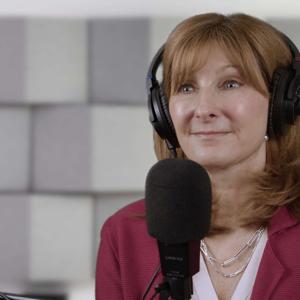

In Episode 6, Cheryl Cran takes on one of the most culturally loaded words in today's leadership conversation: triggers. And she does it the way only someone with two decades in change leadership can — with compassion, directness, and a willingness to name what most people are avoiding.
The episode opens with a real question from a recent virtual keynote: "What do I do about a leader who insists I come into the office every day? It triggers me." Cheryl uses this question to open up a deeper conversation about the difference between being triggered and being in a circumstance we don't like — and why conflating the two has become a quiet form of avoidance in today's workplaces.
She doesn't dismiss the concept of triggers. She honors it. But she also names what she believes mature leadership looks like in a culture that has, in her words, become hypervigilant about almost everything: the idea that triggers are the responsibility of the person being triggered, and that leadership in the era of flux requires us to move from hypervigilance (a fear-based response) to hyperawareness (a metacognitive one).
In this episode, Cheryl explores:
This is the episode that will challenge some listeners and give others language they've been searching for. Either way, it's the kind of grown-up leadership conversation that's rarely had out loud.
"Hypervigilance comes from fear. Hyperawareness is a form of metacognition." — Cheryl Cran
Try this week's practice: The next time you feel triggered by something — a comment, a request, a situation — pause before reacting. Ask yourself: Am I in hypervigilance right now, or hyperawareness? What am I afraid of? What can I actually control? Then choose your response from awareness, not reaction.
About Cheryl Cran
Cheryl Cran is the author of What The Flux?, The Art of Change Leadership, Super Crucial Human, and more. For over two decades, she has helped leaders and organizations navigate change, lead through disruption, and build more human, more flexible, and more resilient teams.
Connect with Cheryl
www.cherylcran.com
Agree? Disagree? Cheryl genuinely welcomes dialogue on this topic. Message her through her website or LinkedIn — this is a conversation that deserves more voices.
New here? Start with Episode 1: Flux Isn't Here to Break Us — It's Here to Wake Us. And subscribe so you don't miss the next episode in the series.
 View all episodes
 By Cheryl Cran - Author of "What The Flux?" and "The Art of Change Leadership"
In Episode 6, Cheryl Cran takes on one of the most culturally loaded words in today's leadership conversation: triggers. And she does it the way only someone with two decades in change leadership can — with compassion, directness, and a willingness to name what most people are avoiding.
The episode opens with a real question from a recent virtual keynote: "What do I do about a leader who insists I come into the office every day? It triggers me." Cheryl uses this question to open up a deeper conversation about the difference between being triggered and being in a circumstance we don't like — and why conflating the two has become a quiet form of avoidance in today's workplaces.
She doesn't dismiss the concept of triggers. She honors it. But she also names what she believes mature leadership looks like in a culture that has, in her words, become hypervigilant about almost everything: the idea that triggers are the responsibility of the person being triggered, and that leadership in the era of flux requires us to move from hypervigilance (a fear-based response) to hyperawareness (a metacognitive one).
In this episode, Cheryl explores:
This is the episode that will challenge some listeners and give others language they've been searching for. Either way, it's the kind of grown-up leadership conversation that's rarely had out loud.
"Hypervigilance comes from fear. Hyperawareness is a form of metacognition." — Cheryl Cran
Try this week's practice: The next time you feel triggered by something — a comment, a request, a situation — pause before reacting. Ask yourself: Am I in hypervigilance right now, or hyperawareness? What am I afraid of? What can I actually control? Then choose your response from awareness, not reaction.
About Cheryl Cran
Cheryl Cran is the author of What The Flux?, The Art of Change Leadership, Super Crucial Human, and more. For over two decades, she has helped leaders and organizations navigate change, lead through disruption, and build more human, more flexible, and more resilient teams.
Connect with Cheryl
www.cherylcran.com
Agree? Disagree? Cheryl genuinely welcomes dialogue on this topic. Message her through her website or LinkedIn — this is a conversation that deserves more voices.
New here? Start with Episode 1: Flux Isn't Here to Break Us — It's Here to Wake Us. And subscribe so you don't miss the next episode in the series.