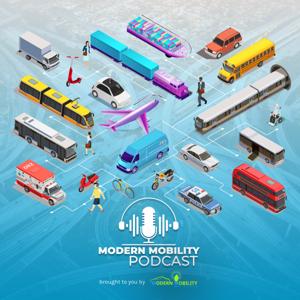
Streets are very often a community's largest public asset, yet they have rarely been described as such. In an era of higher gas prices, increasing rates of chronic disease, and an increased call for fiscally responsible investments, people are demanding another look at our streets. They want safe streets that provide a choice of travel modes and access to destinations near and far. They want complete streets. An ideal complete streets policy is an inter-disciplinary vision and an actionable tool to create robust, safe transportation networks within and between our communities. But what are the real barriers to complete design? What to date with a special emphasis on the immediate, and likely lasting, effects of the Great Recession on municipal revenue structures and decision making regarding the type, timing, and location of new development.



 View all episodes