
Sign up to save your podcasts
Or

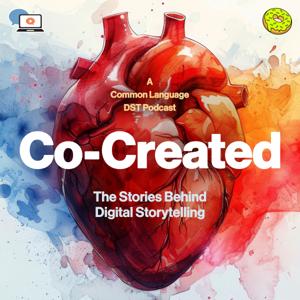

A three-minute film can do what a 30-slide deck can’t: make a room full of clinicians feel the lived reality behind the diagnosis. We’re joined by Dr. Tricia Williams, a neuropsychologist at SickKids and a leader in outcomes-focused, family-informed innovation, to talk about why digital storytelling can change the way clinicians learn, listen, and care, especially when families are navigating congenital heart disease, brain injury, and complex neurodevelopmental needs. We also dig into how one well-placed story can shift conferences, training programs, and even the way we argue for better pathways and funding.
Episode Key Messages
Other Links Mentioned
About Our Guest
Dr. Tricia Williams received her PhD in Clinical Developmental Psychology at York University. She completed her Postdoctoral fellowships in health psychology at The Hospital for Sick Children (SickKids) and clinical neuropsychology at Alberta Children’s Hospital in Calgary. Dr. Williams is a board-certified Clinical Neuropsychologist and Paediatric Subspecialist through the American Board of Professional Psychology (ABPP). Currently, Dr. Williams is a Clinical Neuropsychologist and Health Clinician-Scientist at SickKids in the Division of Neurology. In her clinical role, she leads the Neonatal Neuropsychological services for assessment and consultation for children and families following neonatal brain injury and associated medical conditions. Dr. Williams also provides families ongoing consultation.
As a Health Clinician-Scientist, co-director of the NeuroOutcomes lab, and co-chair of the NeuroOutcomes Family Advisory Committee, Williams’ research focuses on neuropsychological outcomes following early brain injury and the importance of supporting the family in optimizing resilience. She is the principal investigator of the Interact-North project and the Parent Experiences project. Together with a multi-disciplinary team, a strong group of students and research staff, Dr. Williams’ research program aims to learn more about modifiable factors promoting resilience following early brain injury, and to identify modes of service delivery that will optimize neuropsychological outcomes.
Hosted on Acast. See acast.com/privacy for more information.
 View all episodes
 By Snack Labs
A three-minute film can do what a 30-slide deck can’t: make a room full of clinicians feel the lived reality behind the diagnosis. We’re joined by Dr. Tricia Williams, a neuropsychologist at SickKids and a leader in outcomes-focused, family-informed innovation, to talk about why digital storytelling can change the way clinicians learn, listen, and care, especially when families are navigating congenital heart disease, brain injury, and complex neurodevelopmental needs. We also dig into how one well-placed story can shift conferences, training programs, and even the way we argue for better pathways and funding.
Episode Key Messages
Other Links Mentioned
About Our Guest
Dr. Tricia Williams received her PhD in Clinical Developmental Psychology at York University. She completed her Postdoctoral fellowships in health psychology at The Hospital for Sick Children (SickKids) and clinical neuropsychology at Alberta Children’s Hospital in Calgary. Dr. Williams is a board-certified Clinical Neuropsychologist and Paediatric Subspecialist through the American Board of Professional Psychology (ABPP). Currently, Dr. Williams is a Clinical Neuropsychologist and Health Clinician-Scientist at SickKids in the Division of Neurology. In her clinical role, she leads the Neonatal Neuropsychological services for assessment and consultation for children and families following neonatal brain injury and associated medical conditions. Dr. Williams also provides families ongoing consultation.
As a Health Clinician-Scientist, co-director of the NeuroOutcomes lab, and co-chair of the NeuroOutcomes Family Advisory Committee, Williams’ research focuses on neuropsychological outcomes following early brain injury and the importance of supporting the family in optimizing resilience. She is the principal investigator of the Interact-North project and the Parent Experiences project. Together with a multi-disciplinary team, a strong group of students and research staff, Dr. Williams’ research program aims to learn more about modifiable factors promoting resilience following early brain injury, and to identify modes of service delivery that will optimize neuropsychological outcomes.
Hosted on Acast. See acast.com/privacy for more information.