
Sign up to save your podcasts
Or

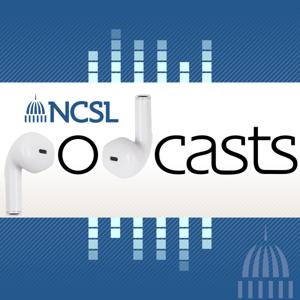

Our focus on this podcast is enhanced wage records and the role they can play in helping states better understand their workforce, evaluate job training programs and show the return on investment for various educational programs.
Collecting enhanced employment data involves asking employers for additional information when they file regular reports with their state unemployment office, such as information about hours worked and establishing consistent coding for similar job types.
Joining the podcast to discuss the issue are Dr. Erica Groshen, former commissioner of the U.S. Bureau of Labor Statistics and now senior economics adviser at the Cornell University School of Industrial and Labor Relations, and Paul Famolari, the assistant executive director for unemployment for the South Carolina Department of Employment and Workforce.
Groshen explained how collection of this information in a standardized manner can help policymakers and researchers see trends in the workplace and know which job programs are paying off for workers. They also can show how new technology is affecting workers, such as which workers appear most vulnerable to losing their jobs to AI.
Famolari discussed how the program has worked in South Carolina, what lawmakers were hoping to learn when they passed the enabling legislation and some of the challenges his agency ran into in trying to implement the law.
Resources
 View all episodes
 By NCSL

4.8
4444 ratings
Our focus on this podcast is enhanced wage records and the role they can play in helping states better understand their workforce, evaluate job training programs and show the return on investment for various educational programs.
Collecting enhanced employment data involves asking employers for additional information when they file regular reports with their state unemployment office, such as information about hours worked and establishing consistent coding for similar job types.
Joining the podcast to discuss the issue are Dr. Erica Groshen, former commissioner of the U.S. Bureau of Labor Statistics and now senior economics adviser at the Cornell University School of Industrial and Labor Relations, and Paul Famolari, the assistant executive director for unemployment for the South Carolina Department of Employment and Workforce.
Groshen explained how collection of this information in a standardized manner can help policymakers and researchers see trends in the workplace and know which job programs are paying off for workers. They also can show how new technology is affecting workers, such as which workers appear most vulnerable to losing their jobs to AI.
Famolari discussed how the program has worked in South Carolina, what lawmakers were hoping to learn when they passed the enabling legislation and some of the challenges his agency ran into in trying to implement the law.
Resources

43,528 Listeners
25,797 Listeners

225 Listeners

111,948 Listeners

56,508 Listeners
2,400 Listeners

5,201 Listeners
16,399 Listeners

386 Listeners

5,485 Listeners

6,381 Listeners

15,950 Listeners

11,157 Listeners

640 Listeners

1,530 Listeners