
Sign up to save your podcasts
Or

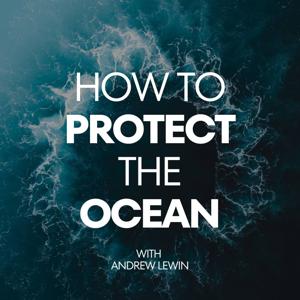

What happens to marine conservation when a humanitarian crisis unfolds? In this episode of How to Protect the Ocean, we explore the remarkable story of marine scientist Mohammed Abu Daya, whose work studying endangered giant devil rays has continued despite the immense challenges of living and working in Gaza. His story reminds us that conservation is ultimately about people as much as it is about wildlife.
You'll learn why giant devil rays are among the Mediterranean's most vulnerable species, why scientists still know so little about them, and how local research can shape global conservation efforts. We also look at the unique challenges facing marine ecosystems during times of conflict and why protecting biodiversity cannot simply be put on hold.
This episode is about resilience, science, and hope. It highlights the dedication of researchers who continue gathering critical information under extraordinary circumstances and shows why every piece of knowledge matters for protecting our ocean. Follow How to Protect the Ocean for your next weekday ocean news update.
Support Independent Podcasts: https://www.speakupforblue.com/patreon
Need help with your ocean non-profit, company, or project? Get the help you need with Pisces Oceans Inc.: https://www.piscesoceans.ca Connect with Speak Up For Blue Website: https://bit.ly/3fOF3Wf Instagram: https://bit.ly/3rIaJSG TikTok: https://www.tiktok.com/@speakupforblue Twitter: https://bit.ly/3rHZxpc YouTube: www.speakupforblue.com/youtube
 View all episodes
 By Andrew Lewin

4.8
189189 ratings
What happens to marine conservation when a humanitarian crisis unfolds? In this episode of How to Protect the Ocean, we explore the remarkable story of marine scientist Mohammed Abu Daya, whose work studying endangered giant devil rays has continued despite the immense challenges of living and working in Gaza. His story reminds us that conservation is ultimately about people as much as it is about wildlife.
You'll learn why giant devil rays are among the Mediterranean's most vulnerable species, why scientists still know so little about them, and how local research can shape global conservation efforts. We also look at the unique challenges facing marine ecosystems during times of conflict and why protecting biodiversity cannot simply be put on hold.
This episode is about resilience, science, and hope. It highlights the dedication of researchers who continue gathering critical information under extraordinary circumstances and shows why every piece of knowledge matters for protecting our ocean. Follow How to Protect the Ocean for your next weekday ocean news update.
Support Independent Podcasts: https://www.speakupforblue.com/patreon
Need help with your ocean non-profit, company, or project? Get the help you need with Pisces Oceans Inc.: https://www.piscesoceans.ca Connect with Speak Up For Blue Website: https://bit.ly/3fOF3Wf Instagram: https://bit.ly/3rIaJSG TikTok: https://www.tiktok.com/@speakupforblue Twitter: https://bit.ly/3rHZxpc YouTube: www.speakupforblue.com/youtube

3,223 Listeners

599 Listeners
12,237 Listeners

407 Listeners

410 Listeners

164 Listeners

366 Listeners

24,554 Listeners
3,422 Listeners
113 Listeners

15,592 Listeners
177 Listeners

2,857 Listeners
2,409 Listeners

805 Listeners