
Sign up to save your podcasts
Or


What is a Computer Network?
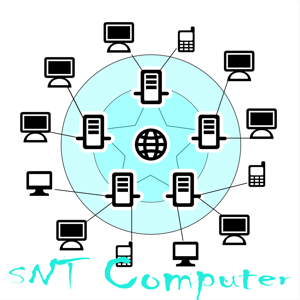
The environment that results from the interconnection of computers is called a network. Just as we need the transfer or change of a file in daily and personal life, institutions also have needs such as changing and transferring data.
Thanks to the established networks, computers can easily transfer files with each other thanks to this environment and the changed files can be transferred to another computer in a short time without the need for physical effort.
Network connection
A network connection is the type of connection that helps to allow computers, modems, or printers to be shared or shared at the same time. Network connection saves computers from a uniform and helps to share these individually designed machines in a common environment.
Network Topologies
There are different ways in which networks are created. These shapes are called network topologies.
Commonly used network topologies are;
Bus Topology
It is the connection type where all computers are connected over the main segment. In this type of connection, the disconnection between computers affects the state of a whole network. Coaxial cables are used while creating this network and its performance is lower than other topology types. Only one computer on the network can send information.
Ring Topology
In this topology form, the connections are formed in the form of a ring. A connection problem between computers themselves can affect the operation of an entire network. Its performance is higher than other network types and collisions do not occur within the network.
Hierarchical Topology
As in the small star topology, the networks are hierarchically connected and the traffic of the entire network is fixed on a single computer.
Star Topology
It is a topology created by connecting all computers to the main center. In the center, devices called hubs or switches are used. Its performance is higher than the bus topology. The problem that will occur inside the hub or switch in the center will affect the operation of the entire network.
Extended Star Topology
It is a network topology in which small networks with a star topology form are expanded using the same structure.
Complex Topology
It is a topology in which the ends in the network are connected to each other and the physical connection between any of the ends in the network is not discrete. In this network structure, communication is continuous, it is preferred in situations where the lack of communication can cause great dangers.
Broadcast Topology
It is a topology where every computer on the network is given the same priority. Within this system, all computers on the network can send information to the network environment. This network topology acts with the logic that the first sending receives the first service.
Token Mobile Topology
The server drops a token into the network, and the dropped coin takes command of the entries to the network environment. As a result, it minimizes the risk of collisions in the net.
 View all episodes
 By M. Sean
What is a Computer Network?
The environment that results from the interconnection of computers is called a network. Just as we need the transfer or change of a file in daily and personal life, institutions also have needs such as changing and transferring data.
Thanks to the established networks, computers can easily transfer files with each other thanks to this environment and the changed files can be transferred to another computer in a short time without the need for physical effort.
Network connection
A network connection is the type of connection that helps to allow computers, modems, or printers to be shared or shared at the same time. Network connection saves computers from a uniform and helps to share these individually designed machines in a common environment.
Network Topologies
There are different ways in which networks are created. These shapes are called network topologies.
Commonly used network topologies are;
Bus Topology
It is the connection type where all computers are connected over the main segment. In this type of connection, the disconnection between computers affects the state of a whole network. Coaxial cables are used while creating this network and its performance is lower than other topology types. Only one computer on the network can send information.
Ring Topology
In this topology form, the connections are formed in the form of a ring. A connection problem between computers themselves can affect the operation of an entire network. Its performance is higher than other network types and collisions do not occur within the network.
Hierarchical Topology
As in the small star topology, the networks are hierarchically connected and the traffic of the entire network is fixed on a single computer.
Star Topology
It is a topology created by connecting all computers to the main center. In the center, devices called hubs or switches are used. Its performance is higher than the bus topology. The problem that will occur inside the hub or switch in the center will affect the operation of the entire network.
Extended Star Topology
It is a network topology in which small networks with a star topology form are expanded using the same structure.
Complex Topology
It is a topology in which the ends in the network are connected to each other and the physical connection between any of the ends in the network is not discrete. In this network structure, communication is continuous, it is preferred in situations where the lack of communication can cause great dangers.
Broadcast Topology
It is a topology where every computer on the network is given the same priority. Within this system, all computers on the network can send information to the network environment. This network topology acts with the logic that the first sending receives the first service.
Token Mobile Topology
The server drops a token into the network, and the dropped coin takes command of the entries to the network environment. As a result, it minimizes the risk of collisions in the net.