
Sign up to save your podcasts
Or


What is SAN (Storage Area Network)?
With the increase of online users and the development of online solutions, the need for data storage of companies has increased, and the increase in the number of users and the amount of data in accessing data has also increased the required network traffic.
SAN (Storage Area Network) technology was developed when this emerging need for storage space and network traffic could not be met by existing solutions.
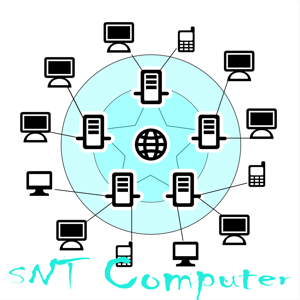
SAN network is a structure that provides the connection between server and storage. The most distinctive feature that distinguishes SAN from other technologies is that it is separate from the network used for general purposes. This separation can be achieved by physically separate the SAN system or by assigning a separate subnet to the SAN. Being on a separate network enables faster and more secure transmission by ensuring that it is not affected by general-purpose network traffic such as e-mail traffic.
Benefits of SAN
It has more advanced features than existing solutions.
1. Expandability and Storage Capacity
In traditional solutions, it is necessary to buy storage units for servers or storage systems independent of servers in order to increase the storage area.
This is both an expensive process and degradation of network performance. In SAN systems, since the storage areas are already on a separate network, storage disks or units can be easily added to the SAN network in line with this space requirement and this change does not cause performance loss.
2. Manageability
Although a well-structured SAN system does not need much management, when such a need is needed, it can perform this management in such a way that the least number of systems in the SAN network will be affected and no system will be affected in redundant structures.
3. Redundancy
Backup and backup is a very important concept for every system. In the SAN network, redundant access can be easily achieved by joining new network devices to the existing network and providing the necessary connections. In addition, the SAN system has a structure that makes online backups fast and secure.
4. Fast Data Transmission
Since the servers are located directly in the SAN network, the data transmission speed between the servers is very high. In addition, the fact that the network traffic within the SAN is separate from the general-purpose data traffic is one of the factors that ensure the high data transmission rate of the SAN system.
5. Cost and Operate
The operating cost of the SAN network is low. Since there is no need to change the whole system or a large part of the system in expansion works made in the SAN system, the process of expanding the system is both easier and less costly.
 View all episodes
 By M. Sean
What is SAN (Storage Area Network)?
With the increase of online users and the development of online solutions, the need for data storage of companies has increased, and the increase in the number of users and the amount of data in accessing data has also increased the required network traffic.
SAN (Storage Area Network) technology was developed when this emerging need for storage space and network traffic could not be met by existing solutions.
SAN network is a structure that provides the connection between server and storage. The most distinctive feature that distinguishes SAN from other technologies is that it is separate from the network used for general purposes. This separation can be achieved by physically separate the SAN system or by assigning a separate subnet to the SAN. Being on a separate network enables faster and more secure transmission by ensuring that it is not affected by general-purpose network traffic such as e-mail traffic.
Benefits of SAN
It has more advanced features than existing solutions.
1. Expandability and Storage Capacity
In traditional solutions, it is necessary to buy storage units for servers or storage systems independent of servers in order to increase the storage area.
This is both an expensive process and degradation of network performance. In SAN systems, since the storage areas are already on a separate network, storage disks or units can be easily added to the SAN network in line with this space requirement and this change does not cause performance loss.
2. Manageability
Although a well-structured SAN system does not need much management, when such a need is needed, it can perform this management in such a way that the least number of systems in the SAN network will be affected and no system will be affected in redundant structures.
3. Redundancy
Backup and backup is a very important concept for every system. In the SAN network, redundant access can be easily achieved by joining new network devices to the existing network and providing the necessary connections. In addition, the SAN system has a structure that makes online backups fast and secure.
4. Fast Data Transmission
Since the servers are located directly in the SAN network, the data transmission speed between the servers is very high. In addition, the fact that the network traffic within the SAN is separate from the general-purpose data traffic is one of the factors that ensure the high data transmission rate of the SAN system.
5. Cost and Operate
The operating cost of the SAN network is low. Since there is no need to change the whole system or a large part of the system in expansion works made in the SAN system, the process of expanding the system is both easier and less costly.