
Sign up to save your podcasts
Or

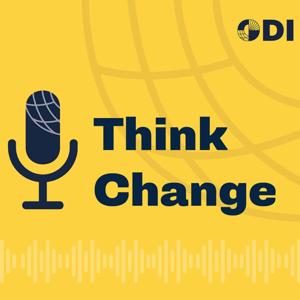

After a year of extraordinary upheaval, this special episode looks ahead to the forces set to shape 2026. From deep aid cuts and accelerating AI to renewed geopolitical tension, political violence and humanitarian catastrophe, guests explore what a fractured global landscape means for democracy, development and the future of international cooperation.
2025 has tested the resilience of the international system. Aid budgets have been slashed, debt pressures have mounted across low-income countries, and rapid advances in artificial intelligence have outpaced political and regulatory responses. At the same time, political violence, democratic backsliding and public dissent have intensified while humanitarian crises and genocide continue to expose the limits of existing multilateral responses.
Against this backdrop, global power is fragmenting as supply chains are being reshaped, economic nationalism is on the rise, and geopolitical competition is increasingly defining how states engage with one another.
Tune in as we explore how dynamics of technological disruption, economic stress and geopolitical realignment are redefining cooperation and what realistic shifts could help strengthen global governance and collective action as we move into 2026.
Guests
Related resources
 View all episodes
 By ODI Global

4.3
33 ratings
After a year of extraordinary upheaval, this special episode looks ahead to the forces set to shape 2026. From deep aid cuts and accelerating AI to renewed geopolitical tension, political violence and humanitarian catastrophe, guests explore what a fractured global landscape means for democracy, development and the future of international cooperation.
2025 has tested the resilience of the international system. Aid budgets have been slashed, debt pressures have mounted across low-income countries, and rapid advances in artificial intelligence have outpaced political and regulatory responses. At the same time, political violence, democratic backsliding and public dissent have intensified while humanitarian crises and genocide continue to expose the limits of existing multilateral responses.
Against this backdrop, global power is fragmenting as supply chains are being reshaped, economic nationalism is on the rise, and geopolitical competition is increasingly defining how states engage with one another.
Tune in as we explore how dynamics of technological disruption, economic stress and geopolitical realignment are redefining cooperation and what realistic shifts could help strengthen global governance and collective action as we move into 2026.
Guests
Related resources
4,137 Listeners
371 Listeners

1,799 Listeners
3,723 Listeners
849 Listeners
684 Listeners
39 Listeners

986 Listeners
145 Listeners
3,336 Listeners

1,183 Listeners
797 Listeners
386 Listeners

805 Listeners
2,300 Listeners