
Sign up to save your podcasts
Or

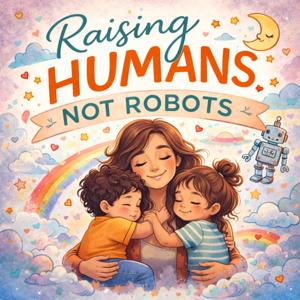

What happens when your kids see you cry—and you tell them you’re “fine”?
In this episode, I talk about the quiet ways my depression showed up in front of my children, and what I didn’t realize I was teaching them by hiding it. How my daughter learned to become the caretaker. How my son tried to fix my sadness with spare change. And how my own fear of being honest about my feelings shaped their understanding of responsibility, safety, and love.
This is a story about the line between protecting your kids and burdening them, about emotional honesty, and about learning—slowly—to say “I’m sad” instead of “I’m fine.” It’s not about fixing everything. It’s about modeling that feelings are allowed, that crying doesn’t mean something is broken, and that kids don’t have to take care of their parents.
For parents navigating mental health, guilt, and the hope of teaching something new—even when you can’t undo the past.
 View all episodes
 By Sophia Rowan
What happens when your kids see you cry—and you tell them you’re “fine”?
In this episode, I talk about the quiet ways my depression showed up in front of my children, and what I didn’t realize I was teaching them by hiding it. How my daughter learned to become the caretaker. How my son tried to fix my sadness with spare change. And how my own fear of being honest about my feelings shaped their understanding of responsibility, safety, and love.
This is a story about the line between protecting your kids and burdening them, about emotional honesty, and about learning—slowly—to say “I’m sad” instead of “I’m fine.” It’s not about fixing everything. It’s about modeling that feelings are allowed, that crying doesn’t mean something is broken, and that kids don’t have to take care of their parents.
For parents navigating mental health, guilt, and the hope of teaching something new—even when you can’t undo the past.