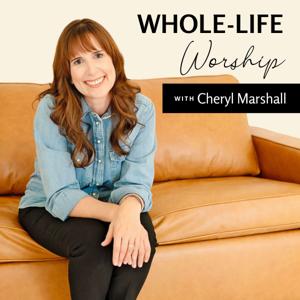
Cheryl Marshall welcomes Jonathan Anderson, associate pastor at Founders Baptist Church and professor of New Testament and church history, for a conversation centered on John the Baptist’s powerful declaration in John 3:30: “He must increase, but I must decrease.”
Cheryl and Jonathan explore what John’s example means for believers today, especially when God changes our circumstances, closes doors, limits our influence, or allows godly desires to go unmet. Through examples involving ministry, family, marriage, calling, and personal ambition, they consider an important question: Are we more interested in getting what we desire, or in God being pleased and Christ being glorified?
Key Topics Discussed
- Recognizing that our opportunities, influence, and fruitfulness ultimately come from God
- Finding contentment when God changes or removes a role we value
- The difference between serving God for personal significance and serving to please Christ
- What it practically means for Christ to increase and for us to decrease
- Trusting God when biblical desires collide with difficult circumstances
- How God can be glorified even when life does not unfold as we hoped
Resources Mentioned
Scripture
John 3:22-30
John 3:31-36
Romans 12:1–2
Books & Resources
- All of Me: Pursuing a Life Wholly Devoted to God by Cheryl Marshall
- Biography of Martyn Lloyd-Jones by Iain Murray
Three Key Takeaways
1. Everything we receive is ultimately given to us by God.
John the Baptist understood that his ministry, influence, and opportunities were never his to control. When his ministry began to decrease, he could respond with contentment because he knew that what he had received had come from God in the first place. We can hold our own roles, opportunities, relationships, and influence with the same open hands, trusting God when He gives and when He changes our circumstances.
2. Our calling is not our identity.
Whether it is ministry, motherhood, marriage, career, music, or another meaningful role, even good gifts can become sources of personal significance. Personal stories shared illustrate the freedom that comes when our identity is rooted in Christ rather than in the particular tool God has given us to serve Him. The tool may change, but the ultimate purpose remains the same: glorifying God.
3. Whole-life worship means being willing to decrease so Christ may increase.
John the Baptist was genuinely joyful to see attention move away from himself and toward Christ because Christ’s glory mattered more to him than his own prominence. That same mindset can shape how believers respond when circumstances do not match their desires. We can trust that God makes no mistakes and faithfully seek to please Him right where He has placed us.
Connect & Take the Next Step
- Listen: Catch more episodes of Whole Life Worship.
- Subscribe & Review: If this episode encouraged you, subscribe and review HERE.
- Share: Encourage others by passing this episode along to family and friends.
- Order Cheryl’s Books:
- All of Me: Pursuing a Life Wholly Devoted to God
- When Words Matter Most: Speaking Truth With Grace to Those You Love
- Follow Cheryl:
- Instagram, Facebook, YouTube
- Bookings: To ask Cheryl to speak at your next women's event, visit HERE.
- Join: Cheryl’s Newsletter
Send Cheryl a Text