
Sign up to save your podcasts
Or

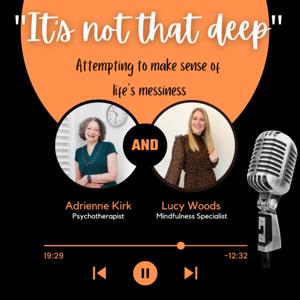

In this episode, we delve into the complex reasons behind our reluctance to tell the truth, from small everyday lies to avoiding pivotal conversations about mortality. We explore how avoidance impacts ourselves and others, the role of shame in our avoidance, and practical ways we can foster honesty in our relationships. We use personal examples to illustrate the impact of not being honest can have.
We discuss how although honesty can be uncomfortable, often the relief and authenticity outweighs the temporary discomfort. We explore the idea that conversations we fear may be difficult can end up being the most transformative.
Key Topics Covered:
The emotional reactions and fears that lead to untruths and avoidance
Examples from personal experiences: missed events, hiding purchases, and the fear of letting others down
The deep connection between avoidance and shame, and how stories we tell ourselves reinforce this
The role of familiarity and the unknown in avoiding difficult conversations
The impact of avoiding honesty on mental health and human connection
Strategies for practicing honest communication and overcoming fear
The importance of having difficult conversations about mortality and practical preparations
How misaligned perceptions of honesty and avoidance affect our relationships with family, friends, and clients in professional settings
Find us at: www.adriennekirk.uk or www.presenceofmind.life
Hosted on Acast. See acast.com/privacy for more information.
 View all episodes
 By Adrienne Kirk and Lucy Ranger
In this episode, we delve into the complex reasons behind our reluctance to tell the truth, from small everyday lies to avoiding pivotal conversations about mortality. We explore how avoidance impacts ourselves and others, the role of shame in our avoidance, and practical ways we can foster honesty in our relationships. We use personal examples to illustrate the impact of not being honest can have.
We discuss how although honesty can be uncomfortable, often the relief and authenticity outweighs the temporary discomfort. We explore the idea that conversations we fear may be difficult can end up being the most transformative.
Key Topics Covered:
The emotional reactions and fears that lead to untruths and avoidance
Examples from personal experiences: missed events, hiding purchases, and the fear of letting others down
The deep connection between avoidance and shame, and how stories we tell ourselves reinforce this
The role of familiarity and the unknown in avoiding difficult conversations
The impact of avoiding honesty on mental health and human connection
Strategies for practicing honest communication and overcoming fear
The importance of having difficult conversations about mortality and practical preparations
How misaligned perceptions of honesty and avoidance affect our relationships with family, friends, and clients in professional settings
Find us at: www.adriennekirk.uk or www.presenceofmind.life
Hosted on Acast. See acast.com/privacy for more information.