
Sign up to save your podcasts
Or

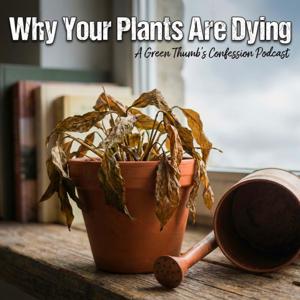

Successful indoor gardening relies on balancing environmental conditions like light quality, humidity, and ventilation to mimic a plant's natural habitat. These sources emphasize that proper light intensity and spectral balance are the primary drivers of growth, while airflow significantly enhances photosynthesis and prevents pest infestations. Managing soil health is equally vital, involving the use of aerated potting mixes, beneficial microbes, and rainwater to avoid common issues like root rot. Additionally, understanding dormancy cycles and chilling requirements helps caretakers navigate seasonal growth pauses and climate-related stress. Effective pest management requires early identification of insects like mealybugs and strict adherence to safety labels when applying treatments. Together, these guides provide a scientific framework for selecting and maintaining plants based on the unique microclimates found within a home.
 View all episodes
 By abdelhamid bou ikhessayen
Successful indoor gardening relies on balancing environmental conditions like light quality, humidity, and ventilation to mimic a plant's natural habitat. These sources emphasize that proper light intensity and spectral balance are the primary drivers of growth, while airflow significantly enhances photosynthesis and prevents pest infestations. Managing soil health is equally vital, involving the use of aerated potting mixes, beneficial microbes, and rainwater to avoid common issues like root rot. Additionally, understanding dormancy cycles and chilling requirements helps caretakers navigate seasonal growth pauses and climate-related stress. Effective pest management requires early identification of insects like mealybugs and strict adherence to safety labels when applying treatments. Together, these guides provide a scientific framework for selecting and maintaining plants based on the unique microclimates found within a home.