
Sign up to save your podcasts
Or

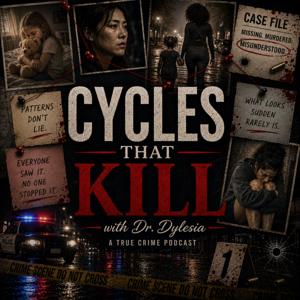

Karmelo Anthony turned a dispute over a seat at a high school track meet into a murder case. Vickrum Digwa convinced police to handcuff a dying man after claiming he was the real victim. Ruben Whitworth threatened to kill his roommate over mozzarella sticks, and two weeks later, he did. In this episode of Cycles That Kill, Dr. Dylesia examines these cases through the lens of hypervigilance, threat perception distortion, rage dysregulation, and the maternal modeling of conflict. The episode also includes a bonus case from Ottawa, Canada, where a fatal stabbing ruled self-defense raises many of the same questions about anger, escalation, and the absence of an emotional brake. These are not just stories about race, self-defense, or who started "it." They're stories about nervous systems organized around threat, homes that failed to teach central nervous system regulation, and the deadly consequences of cycles no one interrupted before they became fatal.
 View all episodes
 By Dr. Dylesia, DSW, LCSW
Karmelo Anthony turned a dispute over a seat at a high school track meet into a murder case. Vickrum Digwa convinced police to handcuff a dying man after claiming he was the real victim. Ruben Whitworth threatened to kill his roommate over mozzarella sticks, and two weeks later, he did. In this episode of Cycles That Kill, Dr. Dylesia examines these cases through the lens of hypervigilance, threat perception distortion, rage dysregulation, and the maternal modeling of conflict. The episode also includes a bonus case from Ottawa, Canada, where a fatal stabbing ruled self-defense raises many of the same questions about anger, escalation, and the absence of an emotional brake. These are not just stories about race, self-defense, or who started "it." They're stories about nervous systems organized around threat, homes that failed to teach central nervous system regulation, and the deadly consequences of cycles no one interrupted before they became fatal.