
Sign up to save your podcasts
Or

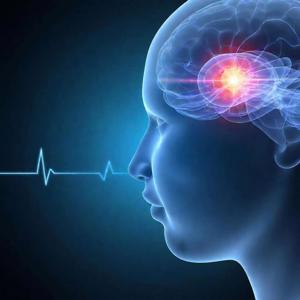

Persistent panic attacks are often linked to dysregulation in the brain's left frontal region, with QEEG mapping showing 4-6 times more slow wave activity than normal. This "under arousal" prevents the frontal lobe from managing emotions properly, explaining why traditional treatments like breathing techniques and cognitive strategies often fail.
• Panic attack physiology includes changes in breathing and CO2 levels, triggering massive adrenaline release
• Dysregulated frontal lobes show excessive slow wave activity, creating "under arousal" that prevents proper emotion regulation
• Traditional treatments often fail because they don't address the underlying brain dysregulation
• Neurofeedback gradually retrains the brain, helping the frontal lobe regain its regulatory capabilities
• Most clients seek neurofeedback after medications, therapy, and self-help approaches have failed
I'm Dr. Randy Cale from Capital District Neurofeedback. If panic attacks are changing your quality of life, call us for a free consultation to see if neurofeedback might be the solution you've been looking for.
 View all episodes
 By Dr Randy Cale
Persistent panic attacks are often linked to dysregulation in the brain's left frontal region, with QEEG mapping showing 4-6 times more slow wave activity than normal. This "under arousal" prevents the frontal lobe from managing emotions properly, explaining why traditional treatments like breathing techniques and cognitive strategies often fail.
• Panic attack physiology includes changes in breathing and CO2 levels, triggering massive adrenaline release
• Dysregulated frontal lobes show excessive slow wave activity, creating "under arousal" that prevents proper emotion regulation
• Traditional treatments often fail because they don't address the underlying brain dysregulation
• Neurofeedback gradually retrains the brain, helping the frontal lobe regain its regulatory capabilities
• Most clients seek neurofeedback after medications, therapy, and self-help approaches have failed
I'm Dr. Randy Cale from Capital District Neurofeedback. If panic attacks are changing your quality of life, call us for a free consultation to see if neurofeedback might be the solution you've been looking for.