
Sign up to save your podcasts
Or

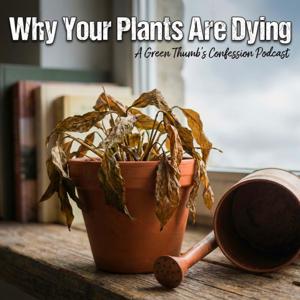

This Episode examine the multifaceted factors that govern plant growth, structural integrity, and physiological development. Researchers highlight how environmental stimuli like light quality, temperature, and mechanical stress trigger specific adaptive behaviors, such as phototropism and thigmomorphogenesis, which alter stem strength and morphology. A significant focus is placed on nutrient management, specifically how excessive nitrogen fertilization can weaken mechanical tissues by reducing lignification, thereby increasing a plant’s vulnerability to environmental damage. Additionally, the texts explore the complex molecular and hormonal pathways that regulate internal processes, including the transition from dark-grown etiolation to light-active growth. Together, these studies provide a comprehensive look at the genetic and chemical mechanisms plants use to balance rapid expansion with physical stability.
 View all episodes
 By abdelhamid bou ikhessayen
This Episode examine the multifaceted factors that govern plant growth, structural integrity, and physiological development. Researchers highlight how environmental stimuli like light quality, temperature, and mechanical stress trigger specific adaptive behaviors, such as phototropism and thigmomorphogenesis, which alter stem strength and morphology. A significant focus is placed on nutrient management, specifically how excessive nitrogen fertilization can weaken mechanical tissues by reducing lignification, thereby increasing a plant’s vulnerability to environmental damage. Additionally, the texts explore the complex molecular and hormonal pathways that regulate internal processes, including the transition from dark-grown etiolation to light-active growth. Together, these studies provide a comprehensive look at the genetic and chemical mechanisms plants use to balance rapid expansion with physical stability.