
Sign up to save your podcasts
Or

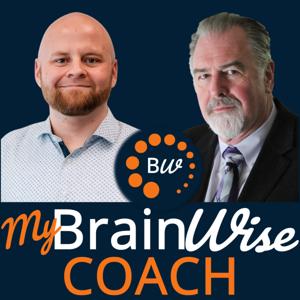

In this episode of My BrainWise Coach, hosts Cole Bastian and Phil Dixon delve into the intricate world of political neuroscience. They discuss how the brain processes political information and the emotional triggers involved, emphasizing a non-partisan, scientific approach. The conversation explores the amygdala's role in threat detection, biases like confirmation bias, and the impact of framing and metaphors on our political views. Key takeaways include practical tips for managing discussions, staying curious, and reducing stress related to political conversations. Listeners are encouraged to comment, share, subscribe, and review the podcast.
00:00 Introduction and Welcome
00:30 Phil's Health Update
01:10 This Week's Topic: The Neuroscience of Politics
03:43 Understanding Political Neuroscience
04:33 Key Contributors in Political Neuroscience
07:18 The Threat System in Political Cognition
10:06 The Role of the Executive System
15:36 Metaphors and Mental Models in Politics
23:22 The Five P Model and Political Discussions
24:38 Understanding Protection and Uncertainty
25:40 The Role of Participation and Agreement
26:35 The Five P Model and Group Identity
27:09 The Rise of Absolutes in Modern Discourse
28:47 The Ladder of Inference and Certainty
31:34 Biases in Political Thinking
32:15 Common Cognitive Biases Explained
33:48 Ingroup and Outgroup Dynamics
35:02 Attribution Error and Loss Aversion
40:14 Managing Political Discussions
44:56 The Importance of Curiosity and Respect
47:50 Final Thoughts and Encouragement
 View all episodes
 By My BrainWise Coach
In this episode of My BrainWise Coach, hosts Cole Bastian and Phil Dixon delve into the intricate world of political neuroscience. They discuss how the brain processes political information and the emotional triggers involved, emphasizing a non-partisan, scientific approach. The conversation explores the amygdala's role in threat detection, biases like confirmation bias, and the impact of framing and metaphors on our political views. Key takeaways include practical tips for managing discussions, staying curious, and reducing stress related to political conversations. Listeners are encouraged to comment, share, subscribe, and review the podcast.
00:00 Introduction and Welcome
00:30 Phil's Health Update
01:10 This Week's Topic: The Neuroscience of Politics
03:43 Understanding Political Neuroscience
04:33 Key Contributors in Political Neuroscience
07:18 The Threat System in Political Cognition
10:06 The Role of the Executive System
15:36 Metaphors and Mental Models in Politics
23:22 The Five P Model and Political Discussions
24:38 Understanding Protection and Uncertainty
25:40 The Role of Participation and Agreement
26:35 The Five P Model and Group Identity
27:09 The Rise of Absolutes in Modern Discourse
28:47 The Ladder of Inference and Certainty
31:34 Biases in Political Thinking
32:15 Common Cognitive Biases Explained
33:48 Ingroup and Outgroup Dynamics
35:02 Attribution Error and Loss Aversion
40:14 Managing Political Discussions
44:56 The Importance of Curiosity and Respect
47:50 Final Thoughts and Encouragement