
Sign up to save your podcasts
Or

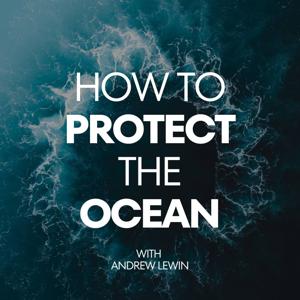

A potential super El Niño is developing in the Pacific Ocean, and scientists are warning that it could have major consequences for marine ecosystems around the world. While El Niño is a natural climate pattern, stronger events can dramatically alter ocean conditions by warming surface waters and reducing the nutrients that support marine food webs. In this episode, we explore why researchers are watching this event so closely and what it could mean for the future of the ocean.
One of the biggest concerns is how a super El Niño could affect fisheries and marine wildlife. When warmer water prevents nutrients from reaching the surface, phytoplankton production can decline, reducing food availability for fish, seabirds, seals, and sea lions. Some of the world's most important fisheries, including the Peruvian anchoveta fishery, have experienced major disruptions during past El Niño events, creating ripple effects throughout global seafood supply chains.
We also discuss why this story matters beyond the ocean. A strong El Niño can influence food security, coastal economies, coral reef health, and climate impacts across the globe. Although scientists cannot stop an El Niño from forming, improved forecasting and monitoring systems give communities more time to prepare. This episode examines the science behind the headlines and explains why what happens in the Pacific Ocean rarely stays in the Pacific Ocean.
Support Independent Podcasts: https://www.speakupforblue.com/patreon
Need help with your ocean non-profit, company, or project? Get the help you need with Pisces Oceans Inc.: https://www.piscesoceans.ca Connect with Speak Up For Blue Website: https://bit.ly/3fOF3Wf Instagram: https://bit.ly/3rIaJSG TikTok: https://www.tiktok.com/@speakupforblue Twitter: https://bit.ly/3rHZxpc YouTube: www.speakupforblue.com/youtube
 View all episodes
 By Andrew Lewin

4.8
189189 ratings
A potential super El Niño is developing in the Pacific Ocean, and scientists are warning that it could have major consequences for marine ecosystems around the world. While El Niño is a natural climate pattern, stronger events can dramatically alter ocean conditions by warming surface waters and reducing the nutrients that support marine food webs. In this episode, we explore why researchers are watching this event so closely and what it could mean for the future of the ocean.
One of the biggest concerns is how a super El Niño could affect fisheries and marine wildlife. When warmer water prevents nutrients from reaching the surface, phytoplankton production can decline, reducing food availability for fish, seabirds, seals, and sea lions. Some of the world's most important fisheries, including the Peruvian anchoveta fishery, have experienced major disruptions during past El Niño events, creating ripple effects throughout global seafood supply chains.
We also discuss why this story matters beyond the ocean. A strong El Niño can influence food security, coastal economies, coral reef health, and climate impacts across the globe. Although scientists cannot stop an El Niño from forming, improved forecasting and monitoring systems give communities more time to prepare. This episode examines the science behind the headlines and explains why what happens in the Pacific Ocean rarely stays in the Pacific Ocean.
Support Independent Podcasts: https://www.speakupforblue.com/patreon
Need help with your ocean non-profit, company, or project? Get the help you need with Pisces Oceans Inc.: https://www.piscesoceans.ca Connect with Speak Up For Blue Website: https://bit.ly/3fOF3Wf Instagram: https://bit.ly/3rIaJSG TikTok: https://www.tiktok.com/@speakupforblue Twitter: https://bit.ly/3rHZxpc YouTube: www.speakupforblue.com/youtube

3,223 Listeners

599 Listeners
12,237 Listeners
407 Listeners
410 Listeners

164 Listeners
366 Listeners
24,554 Listeners
3,422 Listeners
113 Listeners

15,592 Listeners
177 Listeners

2,857 Listeners

2,409 Listeners

805 Listeners