
Sign up to save your podcasts
Or

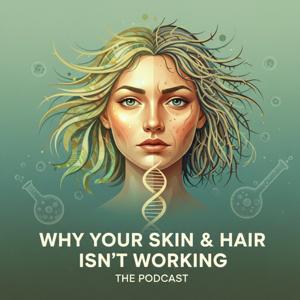

TikTok has become a powerful hub for beauty and skincare, where viral trends and influencer endorsements significantly impact consumer purchasing decisions and brand awareness. While the platform offers innovative marketing opportunities for companies through affiliate programs and user-generated content, medical experts warn of the risks associated with misinformation and unverified DIY hacks. Dermatologists emphasize that many trending routines lack scientific backing and may lead to skin damage or health complications if applied without professional guidance. Consequently, researchers and clinicians advocate for enhanced digital literacy to help users distinguish between effective skincare strategies, like skin cycling, and dangerous, exaggerated claims. Balancing the platform’s high engagement with ethical advertising and evidence-based advice is essential for maintaining both consumer safety and brand credibility.
 View all episodes
 By abdelhamid bou ikhessayen
TikTok has become a powerful hub for beauty and skincare, where viral trends and influencer endorsements significantly impact consumer purchasing decisions and brand awareness. While the platform offers innovative marketing opportunities for companies through affiliate programs and user-generated content, medical experts warn of the risks associated with misinformation and unverified DIY hacks. Dermatologists emphasize that many trending routines lack scientific backing and may lead to skin damage or health complications if applied without professional guidance. Consequently, researchers and clinicians advocate for enhanced digital literacy to help users distinguish between effective skincare strategies, like skin cycling, and dangerous, exaggerated claims. Balancing the platform’s high engagement with ethical advertising and evidence-based advice is essential for maintaining both consumer safety and brand credibility.