
Sign up to save your podcasts
Or

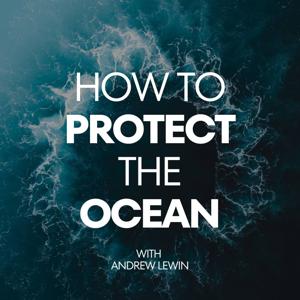

High Seas Treaty implementation is now the real test for ocean conservation. The agreement was historic, but the hardest part was never getting countries to celebrate the deal. The real challenge is what happens after the headlines disappear.
In this episode of How to Protect the Ocean, Andrew Lewin looks at whether the High Seas Treaty can actually change anything for biodiversity beyond national waters. The treaty creates a legal pathway for marine protected areas on the high seas, but enforcement, funding, political commitment, and accountability will determine whether those protected areas become meaningful or symbolic.
High seas conservation is not just about drawing lines on a map. It is about whether countries are willing to monitor activity, reduce illegal fishing, share marine genetic resources fairly, and treat the ocean as a shared responsibility instead of an unlimited resource.
Listen to the full episode. Follow How to Protect the Ocean for weekday ocean science updates.
Support Independent Podcasts: https://www.speakupforblue.com/patreon
Need help with your ocean non-profit, company, or project? Get the help you need with Pisces Oceans Inc.: https://www.piscesoceans.ca Connect with Speak Up For Blue Website: https://bit.ly/3fOF3Wf Instagram: https://bit.ly/3rIaJSG TikTok: https://www.tiktok.com/@speakupforblue Twitter: https://bit.ly/3rHZxpc YouTube: www.speakupforblue.com/youtube
 View all episodes
 By Andrew Lewin

4.8
189189 ratings
High Seas Treaty implementation is now the real test for ocean conservation. The agreement was historic, but the hardest part was never getting countries to celebrate the deal. The real challenge is what happens after the headlines disappear.
In this episode of How to Protect the Ocean, Andrew Lewin looks at whether the High Seas Treaty can actually change anything for biodiversity beyond national waters. The treaty creates a legal pathway for marine protected areas on the high seas, but enforcement, funding, political commitment, and accountability will determine whether those protected areas become meaningful or symbolic.
High seas conservation is not just about drawing lines on a map. It is about whether countries are willing to monitor activity, reduce illegal fishing, share marine genetic resources fairly, and treat the ocean as a shared responsibility instead of an unlimited resource.
Listen to the full episode. Follow How to Protect the Ocean for weekday ocean science updates.
Support Independent Podcasts: https://www.speakupforblue.com/patreon
Need help with your ocean non-profit, company, or project? Get the help you need with Pisces Oceans Inc.: https://www.piscesoceans.ca Connect with Speak Up For Blue Website: https://bit.ly/3fOF3Wf Instagram: https://bit.ly/3rIaJSG TikTok: https://www.tiktok.com/@speakupforblue Twitter: https://bit.ly/3rHZxpc YouTube: www.speakupforblue.com/youtube

3,223 Listeners

599 Listeners
12,237 Listeners

407 Listeners

410 Listeners

164 Listeners

366 Listeners

24,554 Listeners

3,422 Listeners

113 Listeners

15,592 Listeners
177 Listeners

2,857 Listeners
2,409 Listeners

805 Listeners