
Sign up to save your podcasts
Or

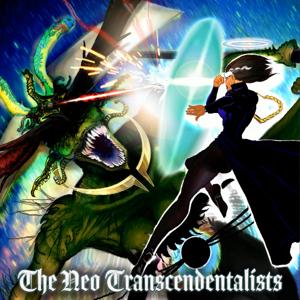

This episode examines how the creative process of worldbuilding mirrors theological attempts to explain the existence of evil. Through the lenses of Tolkien and Lewis, the source suggests that darkness and suffering are not flaws but structural requirements that give a narrative moral depth and meaning. Just as a painting requires shadows for contrast, a fictional or real world requires the possibility of catastrophe to make heroism and divine triumph visible. The author argues that horror and pain function as a "megaphone" to alert inhabitants of a fallen world to the objective reality of a higher moral order. Ultimately, these sources posit that true joy and virtue can only be understood and achieved when set against a backdrop of genuine conflict and cosmic struggle.
 View all episodes
 By Norman Plant
This episode examines how the creative process of worldbuilding mirrors theological attempts to explain the existence of evil. Through the lenses of Tolkien and Lewis, the source suggests that darkness and suffering are not flaws but structural requirements that give a narrative moral depth and meaning. Just as a painting requires shadows for contrast, a fictional or real world requires the possibility of catastrophe to make heroism and divine triumph visible. The author argues that horror and pain function as a "megaphone" to alert inhabitants of a fallen world to the objective reality of a higher moral order. Ultimately, these sources posit that true joy and virtue can only be understood and achieved when set against a backdrop of genuine conflict and cosmic struggle.