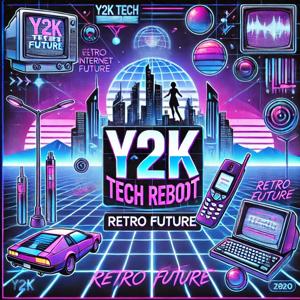
The Y2K Tech Reboot: Retro Future trend is turning the dawn-of-the-millennium internet into a living, breathing aesthetic and a business model. Instead of sleek minimalism, listeners are flocking to chunky laptops, translucent plastics, pixel fonts, and websites that look ripped from 1999. Wired reports that secondhand markets for early iMacs, first-gen iPods, and clamshell laptops have surged as creators and coders seek out hardware that looks and feels Y2K. Fashion platforms like Vogue and Dazed note that the visual language of that era—gradients, chrome logos, and cyber-inspired clubwear—is now a staple of runways and street style.
In gaming, this retro future is especially powerful. According to PC Gamer and Rock Paper Shotgun, indie developers are deliberately building new titles with low-poly PlayStation 1–style graphics and CRT-inspired filters, branding them as “post-Y2K horror” or “dreamcore” experiences. Rather than being a gimmick, this design choice taps into the half-remembered early-internet mood: hopeful, slightly uncanny, and wide open. Steam charts show steady growth for these nostalgia-powered games, driven by younger players who never lived through dial‑up, as well as older fans chasing the vibe of LAN parties and dusty game shops.
Music and nightlife are echoing that shift. Billboard and Mixmag highlight the boom of Y2K nights where DJs spin Eurodance, early trance, and blog-era pop while visuals mimic Windows Media Player screensavers and Winamp skins. TikTok and Instagram are flooded with edits that layer VHS filters over Britney-era pop or nu‑metal, making 2000s club culture feel like a sci‑fi memory from a future that never arrived.
Meanwhile, design studios and big brands are using this retro future look to stand out in a homogenized digital landscape. The Verge notes that product teams are experimenting with skeuomorphic buttons, neon UI, and playful loading screens reminiscent of AOL and MSN. Startups have launched “neo‑Geocities” platforms that let listeners build personal pages with glitter cursors and guestbooks, reclaiming a sense of messy, individual expression that algorithmic feeds flattened.
Underlying all of this is a cultural mood shift. After years of hyper-optimized apps and AI‑generated everything, the imperfect, noisy energy of Y2K-era tech feels human. The retro future invites listeners to imagine a world where technology stays weird and colorful instead of invisible and omnipresent.
Thanks for tuning in, and don’t forget to subscribe. This has been a quiet please production, for more check out quiet please dot ai.
Some great Deals https://amzn.to/49SJ3Qs
For more check out http://www.quietplease.ai
This content was created in partnership and with the help of Artificial Intelligence AI



 View all episodes
