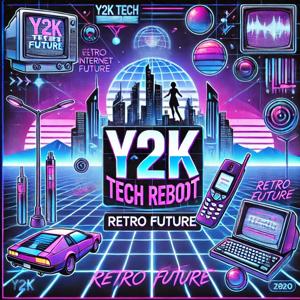
Y2K Tech Reboot: Retro Future is no longer just a niche aesthetic; it has evolved into a full-blown cultural and technological feedback loop where the past’s vision of tomorrow actively shapes the devices and platforms listeners use today. Fashion platforms like Slam Jam highlight how early-2000s tech signifiers—chrome gradients, pixel fonts, and neon UI colors—have moved from T-shirts and sneakers to interfaces and product design, framing them as symbols of underground, forward-thinking culture rather than nostalgia alone, according to Slam Jam’s own brand storytelling.
In consumer tech, major companies have quietly leaned into this retro future wave. Smartphone makers now sell translucent-backed devices and bold, candy-colored wearables that echo 1999–2003 hardware design, while keeping cutting-edge chips and AI cameras under the hood. Watch brands such as G-SHOCK position their chunky analog-digital hybrids as “more than a watch,” pairing early-digital aesthetics with contemporary durability and smart features, as described in G-SHOCK’s brand materials on Slam Jam. The result is a kind of curated time warp: devices look like the future MTV once promised, but perform like today’s cloud-linked, sensor-packed machines.
The entertainment and events world has surged to meet this appetite. Event listings platforms from Albuquerque to Belfast show club nights and festivals explicitly labeled Y2K, 2000s rave, and cyber nostalgia, where visuals are driven by CRT filters, low-poly 3D animations, and looping Windows-style screensavers, even as the entire show runs on 4K LED walls and real-time rendering engines. Organizers promote these nights as a way to step outside always-on algorithmic life and into a more playful, glitchy, human version of the digital world, even if it’s all being powered by the latest GPUs and AI-assisted visual tools.
Lifestyle media have begun treating this Y2K tech reboot as part of a broader reset in how people want to experience the future. Her World Singapore, in its coverage of how to close out 2025 with intention, notes a growing desire to slow down, choose what truly matters, and curate technology rather than be overwhelmed by it. Folded into that is the comfort of an era when going online was an event, not a constant condition.
For many listeners, Retro Future now functions as both aesthetic and strategy: using yesterday’s dream of tomorrow to renegotiate today’s reality.
Thank you for tuning in, and don’t forget to subscribe. This has been a quiet please production, for more check out quiet please dot ai.
Some great Deals https://amzn.to/49SJ3Qs
For more check out http://www.quietplease.ai
This content was created in partnership and with the help of Artificial Intelligence AI



 View all episodes
