
Sign up to save your podcasts
Or

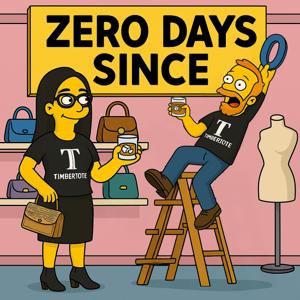

Episode 7 is a special one because it’s the first time the crew is on-mic as a three-person team—with Scarlett Tompkins officially joining the conversation. The vibe is intentionally candid and a little “loosey goosey” (in the best way): tired founders, big changes, real laughter, and a very real look at what happens when a growing business hits the point where you can’t keep doing it all yourself.
Early on, you get context for who Scarlett is in this world and why this move makes sense. It’s not a random hire—it’s something the team has talked about for a while, and Scarlett describes it as feeling “inevitable,” because she’d already been in the orbit of the work for months and genuinely wanted to be part of it.
You also hear the trust dynamic: the team went to Scarlett first because the fit was already there, and everyone’s energy aligns—big goals, forward motion, and a shared “let’s figure it out” attitude.
The heart of the episode is the “founder moment” behind the title: that point where you admit, “We need help,” and then you do the scary part—investing in a person and trusting it will pay off. Jason frames it as a classic solopreneur-to-team transition: hiring isn’t just an expense, it’s a commitment to growth… and to doing this thing like a real company.
Chelsea adds the emotional side of it too: bringing someone on is exciting because it’s a milestone—proof the business is creating real opportunities and jobs.
A big thread running underneath the jokes is: the business is busy. They’re hitting the ceiling on how fast they can produce, and Scarlett (in a very Scarlett way) calls out the practical need—more back stock, more consistency, more ability to keep up with demand.
If you’re into small business growth, this section is super relatable: the team is basically describing the moment when “scrappy” stops working and you have to build processes, capacity, and inventory like you mean it.
Wholesale growth and putting the right person in the right role
They also get specific about why Scarlett is such a strategic addition—because the business is leaning more into wholesale, and that requires a certain kind of energy: outreach, relationships, and a whole lot of talking to people. Chelsea is very honest that she knows what to do, but she doesn’t want to do it—and because she hates it, she’ll be bad at it. That’s why she’s been saying from the beginning that Scarlett would crush this part.
This becomes a bigger lesson for entrepreneurs: growth gets smoother when you stop forcing yourself into roles you hate and start building the team around real strengths.
Chelsea drops one of the cleanest frameworks in the episode: everybody has a “seat on the bus.” If the right people are in the right seats, the whole business runs better. If you’re in the wrong seat—even if you’re capable—you won’t do a good job (and you’ll be miserable).
Jason expands on it: sometimes someone is the right person on the right bus… they’re just sitting in the wrong seat. And the fix isn’t drama—it’s realignment.
If you’re building a team, hiring your first employee, or trying to scale without burning out, this “seat on the bus” section is basically the episode in one idea.
Another standout moment is the friendship + partnership dynamic, especially between Scarlett and Chelsea Adler. Chelsea reads a quote about powerful women not being threatened by each other—and then connects it directly to their relationship: they hype each other up, and they’re grateful to have a partnership that stays healthy (especially after seeing other business partnerships go sideways).
It’s a subtle theme, but it matters: this episode is as much about team building as it is about business growth.
Mid-episode, the crew talks about another huge milestone: they’re close to getting into a dedicated location. At the time of recording, the business has basically taken over rooms, and they’re doing the logistical shuffle across multiple spaces. They even tease that the home-based business vs. centralized location shift deserves its own future episode.
For listeners who are in that in-between stage—running a real business out of a home setup—this part hits hard because it’s exactly what it feels like right before you outgrow the “make it work” era.
Part of what makes this episode fun is that it doesn’t pretend entrepreneurship is neat. You get the “we’re exhausted but we’re here” energy, the side banter, and even the sense that life is happening in real time—like phones blowing up and the crew joking about answering family calls on the podcast someday.
They kick off with their sponsor segment featuring Crooked Tooth Brewery—a family-owned brewery in downtown Tucson—and get into the drink they’re trying (including a quick aside about gluten-reduced beer and “inclusive brands”).
It’s a small section, but it sets the tone: local, friendly, and not taking themselves too seriously.
If you’re a founder, maker, creator, or small business owner, Episode 7 is basically a case study in the transition from solo grind to team-based growth: hiring your first help, preparing for wholesale expansion, improving inventory and production capacity, and building a team where everyone’s in the right seat on the bus.
By the end, you don’t just know who Scarlett is—you understand why adding a human is a major business milestone and how the team is thinking about scaling in a way that doesn’t wreck their sanity.
 View all episodes
 By Jason Robinson and Chelsea Adler
Episode 7 is a special one because it’s the first time the crew is on-mic as a three-person team—with Scarlett Tompkins officially joining the conversation. The vibe is intentionally candid and a little “loosey goosey” (in the best way): tired founders, big changes, real laughter, and a very real look at what happens when a growing business hits the point where you can’t keep doing it all yourself.
Early on, you get context for who Scarlett is in this world and why this move makes sense. It’s not a random hire—it’s something the team has talked about for a while, and Scarlett describes it as feeling “inevitable,” because she’d already been in the orbit of the work for months and genuinely wanted to be part of it.
You also hear the trust dynamic: the team went to Scarlett first because the fit was already there, and everyone’s energy aligns—big goals, forward motion, and a shared “let’s figure it out” attitude.
The heart of the episode is the “founder moment” behind the title: that point where you admit, “We need help,” and then you do the scary part—investing in a person and trusting it will pay off. Jason frames it as a classic solopreneur-to-team transition: hiring isn’t just an expense, it’s a commitment to growth… and to doing this thing like a real company.
Chelsea adds the emotional side of it too: bringing someone on is exciting because it’s a milestone—proof the business is creating real opportunities and jobs.
A big thread running underneath the jokes is: the business is busy. They’re hitting the ceiling on how fast they can produce, and Scarlett (in a very Scarlett way) calls out the practical need—more back stock, more consistency, more ability to keep up with demand.
If you’re into small business growth, this section is super relatable: the team is basically describing the moment when “scrappy” stops working and you have to build processes, capacity, and inventory like you mean it.
Wholesale growth and putting the right person in the right role
They also get specific about why Scarlett is such a strategic addition—because the business is leaning more into wholesale, and that requires a certain kind of energy: outreach, relationships, and a whole lot of talking to people. Chelsea is very honest that she knows what to do, but she doesn’t want to do it—and because she hates it, she’ll be bad at it. That’s why she’s been saying from the beginning that Scarlett would crush this part.
This becomes a bigger lesson for entrepreneurs: growth gets smoother when you stop forcing yourself into roles you hate and start building the team around real strengths.
Chelsea drops one of the cleanest frameworks in the episode: everybody has a “seat on the bus.” If the right people are in the right seats, the whole business runs better. If you’re in the wrong seat—even if you’re capable—you won’t do a good job (and you’ll be miserable).
Jason expands on it: sometimes someone is the right person on the right bus… they’re just sitting in the wrong seat. And the fix isn’t drama—it’s realignment.
If you’re building a team, hiring your first employee, or trying to scale without burning out, this “seat on the bus” section is basically the episode in one idea.
Another standout moment is the friendship + partnership dynamic, especially between Scarlett and Chelsea Adler. Chelsea reads a quote about powerful women not being threatened by each other—and then connects it directly to their relationship: they hype each other up, and they’re grateful to have a partnership that stays healthy (especially after seeing other business partnerships go sideways).
It’s a subtle theme, but it matters: this episode is as much about team building as it is about business growth.
Mid-episode, the crew talks about another huge milestone: they’re close to getting into a dedicated location. At the time of recording, the business has basically taken over rooms, and they’re doing the logistical shuffle across multiple spaces. They even tease that the home-based business vs. centralized location shift deserves its own future episode.
For listeners who are in that in-between stage—running a real business out of a home setup—this part hits hard because it’s exactly what it feels like right before you outgrow the “make it work” era.
Part of what makes this episode fun is that it doesn’t pretend entrepreneurship is neat. You get the “we’re exhausted but we’re here” energy, the side banter, and even the sense that life is happening in real time—like phones blowing up and the crew joking about answering family calls on the podcast someday.
They kick off with their sponsor segment featuring Crooked Tooth Brewery—a family-owned brewery in downtown Tucson—and get into the drink they’re trying (including a quick aside about gluten-reduced beer and “inclusive brands”).
It’s a small section, but it sets the tone: local, friendly, and not taking themselves too seriously.
If you’re a founder, maker, creator, or small business owner, Episode 7 is basically a case study in the transition from solo grind to team-based growth: hiring your first help, preparing for wholesale expansion, improving inventory and production capacity, and building a team where everyone’s in the right seat on the bus.
By the end, you don’t just know who Scarlett is—you understand why adding a human is a major business milestone and how the team is thinking about scaling in a way that doesn’t wreck their sanity.