
Sign up to save your podcasts
Or

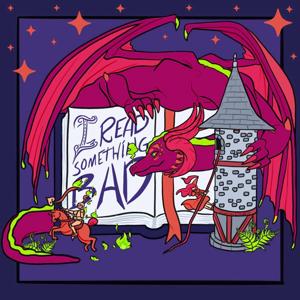

Today we're diving into book two of Stacia Stark's Kingdom of Lies series, where Prisca's relationship with time becomes a metaphor for everything we've been taught wrong about God's will, productivity culture, and why evangelical Christianity turned us into anxious overachievers who think every micro-decision could ruin our entire lives.
We're unpacking how chaotic theology around time keeps us fragmented, why God wants to be with us more than use us, and how Lorian teaching Prisca to kill her own demons is actually the healthiest relationship dynamic we've ever seen in fiction.
Topics Covered:
* How ancient philosophers viewed time as chaotic versus Gregory of Nyssa making eternity actually good, and why evangelical end-times theology creates urgency instead of rest—because apparently we were never trained to be future ancestors
* The theology of "gentle discipleship" that says God wants to be with us more than use us, which is absolutely earth-shattering for women raised to believe our worth comes from being useful helpers
* Why the "God's will as single straight line" theology creates decision fatigue and OCD spirals, versus understanding God's will as a symphony we participate in rather than a choose-your-own-adventure book where wrong choices end everything
* How medical caregivers make 300-700 extra decisions daily while being told other "big life choices" matter more, and why this reveals the absurdity of evangelical decision anxiety
* The difference between obedience-based faith (behavior modification) and becoming-based faith (virtue formation), plus why the Bible should be authoritative but not authoritarian
* How external validation systems in Christianity keep us from developing self-trust, and why Lorian deliberately separates Prisca from Telean so she learns to make her own decisions
* The revolutionary concept that women get to be complex characters who contain multitudes, and why the female gaze writes emotionally healthy men instead of just hot ones
* How biblical interpretation has been dominated by male perspectives (looking at you, medieval Bathsheba paintings), and why we need diverse voices telling these ancient stories
The standard isn't that high, folks—we're just asking for emotional health and the radical idea that women are full humans. Also, decision fatigue is real and God's probably not micromanaging your college choice.
Timestamps:
02:00 Ancient Philosophy of Time vs. Evangelical Urgency Culture
06:00 Why We Were Never Trained to Be Future Ancestors
08:00 Chaotic Time vs. God's Gentle Discipleship Theology
14:00 God Wants to Be With Us More Than Use Us
18:00 God's Will as Symphony vs. Single Straight Line Anxiety
24:00 Obedience Culture vs. Becoming-Based Faith Formation
30:00 Decision Fatigue for Medical Caregivers and the Absurd
35:00 Learning Self-Trust When External Validation Fails
38:00 Prisca's Growth Into Leadership and Healthy Relationships
42:00 Female Gaze vs. Male Gaze in Writing Relationships
44:00 How Biblical Art Objectified Women for Centuries
47:00 Why We Need Diverse Voices in Theological Interpretation
 View all episodes
 By I Read Something Bad
Today we're diving into book two of Stacia Stark's Kingdom of Lies series, where Prisca's relationship with time becomes a metaphor for everything we've been taught wrong about God's will, productivity culture, and why evangelical Christianity turned us into anxious overachievers who think every micro-decision could ruin our entire lives.
We're unpacking how chaotic theology around time keeps us fragmented, why God wants to be with us more than use us, and how Lorian teaching Prisca to kill her own demons is actually the healthiest relationship dynamic we've ever seen in fiction.
Topics Covered:
* How ancient philosophers viewed time as chaotic versus Gregory of Nyssa making eternity actually good, and why evangelical end-times theology creates urgency instead of rest—because apparently we were never trained to be future ancestors
* The theology of "gentle discipleship" that says God wants to be with us more than use us, which is absolutely earth-shattering for women raised to believe our worth comes from being useful helpers
* Why the "God's will as single straight line" theology creates decision fatigue and OCD spirals, versus understanding God's will as a symphony we participate in rather than a choose-your-own-adventure book where wrong choices end everything
* How medical caregivers make 300-700 extra decisions daily while being told other "big life choices" matter more, and why this reveals the absurdity of evangelical decision anxiety
* The difference between obedience-based faith (behavior modification) and becoming-based faith (virtue formation), plus why the Bible should be authoritative but not authoritarian
* How external validation systems in Christianity keep us from developing self-trust, and why Lorian deliberately separates Prisca from Telean so she learns to make her own decisions
* The revolutionary concept that women get to be complex characters who contain multitudes, and why the female gaze writes emotionally healthy men instead of just hot ones
* How biblical interpretation has been dominated by male perspectives (looking at you, medieval Bathsheba paintings), and why we need diverse voices telling these ancient stories
The standard isn't that high, folks—we're just asking for emotional health and the radical idea that women are full humans. Also, decision fatigue is real and God's probably not micromanaging your college choice.
Timestamps:
02:00 Ancient Philosophy of Time vs. Evangelical Urgency Culture
06:00 Why We Were Never Trained to Be Future Ancestors
08:00 Chaotic Time vs. God's Gentle Discipleship Theology
14:00 God Wants to Be With Us More Than Use Us
18:00 God's Will as Symphony vs. Single Straight Line Anxiety
24:00 Obedience Culture vs. Becoming-Based Faith Formation
30:00 Decision Fatigue for Medical Caregivers and the Absurd
35:00 Learning Self-Trust When External Validation Fails
38:00 Prisca's Growth Into Leadership and Healthy Relationships
42:00 Female Gaze vs. Male Gaze in Writing Relationships
44:00 How Biblical Art Objectified Women for Centuries
47:00 Why We Need Diverse Voices in Theological Interpretation