
Sign up to save your podcasts
Or

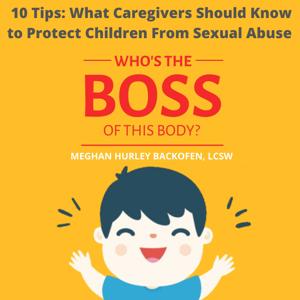


In this Episode, Meghan explains that the pervasiveness of child sexual abuse really demands that prevention needs to happen in every home. Children need to know that sexual abuse exists and that it happens to many children. Meghan helps parents to be able to address this topic with their children without scaring them, and without giving them developmentally inappropriate information about sex.
In this episode Meghan explains how relying on sex offender registries and “stranger danger” parents misinform children. Both children and caregivers need to know that sexual abuse by a stranger is incredibly rare and in most cases of abuse there is a relationship with the perpetrator.
I
“But he is such a nice guy, I can't believe he could do something like that!”
“But she always wants to be with her uncle, she LOVES him!”
In this episode listeners will better understand what is meant by grooming and how sexual offenders work to ensure that if a child does disclose abuse it will be difficult to believe.
In order to truly understand sexual abuse trauma, one needs to understand why children feel that they cannot tell. Child sexual abuse victims rarely tell about the abuse right away, and this makes for a much more substantial negative impact. In this episode listerners will learn how to help children to be more likely to talk about abuse if they are victimized.
One of the best ways that caregivers can educate their child to prevent sexual abuse is to help them understand how they are “the boss of their body”. Meghan's children's book “Who's the Boss of this Body”, that is available on Amazon, is a useful tool in helping parents with this conversation.
Many caregivers confuse a conversation about sexual abuse with ‘the sex talk”. All too often when Meghan asks a parent what they have done for sexual abuse prevention education thus far a parent will answer “Well I think they teach the kids about that in middle school”. Talking about sex and talking about sexual abuse are completely different things and Meghan helps listeners understand the difference. Sexual abuse prevention is not a one-time awkward conversation, but more a style of parenting that empowers children to know their boundaries and not keep secrets.
Although there are no definitive signs of sexual abuse there are certainly red flags that parents should look out for. Children often speak thorough behaviors and there are some that may indicate sexual abuse.
In this episode Meghan talks about how a caregiver's response to disclosures of sexual abuse is critical to a child's recovery. All to often "dead end disclosures" cause the victim additional trauma.
While no child is immune from sexual abuse there are some risk factors that may increase their liklihood of abuse. Understanding what protective factors can be put into place will ultimately reduce the risk of being traumatized by abuse.
In this episode Meghan supports parents to understand how they can ensure resiliency, even if their child is a victim of sexual abuse.
From the publisher's feed
For the past twenty years, Meghan Hurley Backofen, LCSW has specialized in providing mental health treatment to child sexual abuse survivors and their families. Meghan is the Core Sexual Abuse…