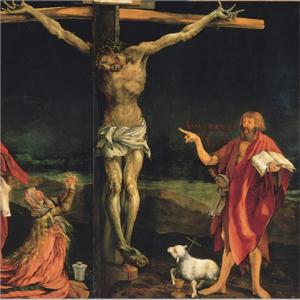
191225 Sermon on John 1:1-18 (Christmas Day) December 25, 2019 “In the beginning God created the heavens and the earth.” That is the first sentence of the book of Genesis. The book of Genesis was written with two great objectives in mind. Moses speaks about two things more than anything else. He speaks about God and he speaks about God’s people. God created Man. Man feel into sin. God called him out of darkness into the light. Some received that light; some did not. Abel believed. Cain did not. Noah believed. The rest of the world did not. Abraham believed. The rest of the world only fell deeper and deeper into darkness. God blessed Abraham and his descendants. He was their God. They were his people. He was present among them and blessed them and fought for them. He made a mighty nation of them and they lived for hundreds and hundreds of years in the land that he had promised to Abraham, Isaac, and Jacob.“In the beginning God created the heavens and the earth,” is the first sentence of the book of Genesis. “In the beginning was the Word,” is the first sentence of the Gospel of John. “The Word was with God, and the Word was God. He was with God in the beginning. Through him everything was made, and without him not one thing was made that has been made.” The apostle John is obviously referring to the first book of the bible by using the same words. He also shows us something that we might not otherwise see as easily. He says that the Word was with God—referring to the Son of God. It was through the Word that God created. Now how did God create? He spoke. He used words. He said, “Let there be light,” and there was light. The Trinity is there already in the first verses of Genesis. God, as in God the Father, was there. The Word, as in the Son, was there. The Holy Spirit was also there, for Moses says, “and the Spirit hovered over the face of the waters.” The triune God created all things, and without the Trinity nothing was made. There is one God, one Creator. He has universal significance.The apostle John has something to say about this God as it has been shown to him in Jesus Christ. That is why he is writing this Gospel. What is of great importance to God is his relationship with Man. Remember that I said Moses had two objectives in Genesis. He wanted to speak about God and he wanted to speak about God’s people. The same is true here with John in his Gospel. He says that John the Baptist came, telling people about the Word, the Light, that has come into the world in Jesus, born of Mary, but these people who were descendants of the people of God did not receive him. “But,” John says, “to all who did receive him, to those who believe in his name, he gave the right to become children of God. They were born, not of blood, or of the desire of the flesh, or of a husband’s will, but born of God.”Here we are introduced to a peculiar nation, a peculiar tribe, a peculiar family. The families that we know of are ones that are produced through the desire of the flesh and the will of a husband. Father and mother come together and children are born. One generation follows another, and if God so wills it, they might increase greatly in number.This is what God says to Abraham, as you might remember. He says, “Look at the stars. Try to number them. That is how many descendants you will have.” A side note here: even with all our technology, our scientists still have not been able to number all the stars. The farther into space they look, the more stars they see. And God directs Abraham to the sand of the seashore. All those countless grains of sand—that’s how many descendants you will have.But just as the apostle John has shown us some things that we might not otherwise see with the opening words of Genesis—namely, that the Trinity was the God who created the earth—so also he might be filling us in on something here too. The true descendants of Abraham, the true children of God, are not those of the flesh. It’s not a matter of genetics or family



 View all episodes

