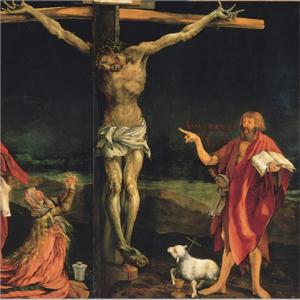
Sermon Audio Sermon Manuscript: If you have ever traveled to a foreign country, then you’ve probably noticed how widespread the English language is. Signs usually have their message written in the indigenous language, but right below it, the message will have been translated into English. So if you go to far away places like Asia or Africa, you should still be able to make your way around, at least somewhat, because you know English. The reason why English is so prominent across the globe is because of the power of the British empire in the 1800s and the power of the American empire of the 1900s and up to today. This acceptance of the langue of the most powerful nation is something that has happened for a long time. English is just the latest fad. Before English being the universal language it was French. Before French it was Latin. Before Latin it was Greek. Which brings us to the New Testament times. Last week I mentioned how Alexander the Great conquered the known world a few hundred years before Christ was born. Alexander the Great was Greek. The rulers who ruled after he died were Greek. They spoke and wrote in the Greek language. At Jesus’s time, therefore, Greek was to them what English is to many people today. Jesus and his disciples did not speak Greek as their first language. They spoke a language called Aramaic. But Greek was the dominant language throughout that region of the world. When the apostles and evangelists wrote the Gospels and the letters to the churches that we know of as the epistles, they wrote in the Greek language. This made it possible for many more people to read the Gospels than if they had written in Aramaic, which was not known as widely as Greek. There are a few instances, though, where the original Aramaic that was spoken was preserved in the Gospels. The most well known message is what Jesus spoke from the cross: “Eli, Eli, lama sabachthani?” “My God, my God, why have you forsaken me?” Jesus was quoting the words of Psalm 22 from the Old Testament. The rawness of these words stuck fast in the minds of the disciples who heard them. There are two other instances where Jesus’s literal words in Aramaic have been preserved without being translated into Greek, as it was with all the other sayings of Jesus that our Gospels record. There was one time where a girl fell sick and died. Jesus told the people who were mourning her death that she was not dead, but sleeping. They all laughed at him with a vicious angry laughter, but Jesus had them all escorted out of the house. Then Jesus took the hand of the girl and said, “Talitha, koum!” which means, “Little girl, I say to you, arise!” And she did. The third instance where Jesus’s words in Aramaic have been written into the Gospels is in our Gospel reading today. There was a deaf man who, perhaps because of his deafness, also had a speech impediment. Jesus put his fingers into his ears, spat, and touched his tongue. Then he looked up to heaven, groaned, and said, “Ephphatha,” which means, “Be opened.” The man’s ears were opened, his tongue was released from its fetters and he spoke rightly. So with these three instances of the Aramaic words being preserved we have extraordinary things going on. The Christ, the anointed, the beloved of his Father asking why God had forsaken him on the cross is striking and memorable. The words by which he raised a little girl from the dead so that she was returned to her grieving parents is also extraordinary. Compared to these other instances, what happened in our Gospel reading for today might not seem as noteworthy. While I can understand why someone might think that way, I think that you might have a greater appreciation for the significance of this healing if you yourself became deaf and/or mute. Since I’ve been a pastor I’ve had a few parishioners who have been stricken by deafness or by powerful speech impediments. This has been an extremely bitter experience for all of them. Unfortunately, the proverb hold



 View all episodes

