
Sign up to save your podcasts
Or


Comment on the Show by Sending Mark a Text Message.
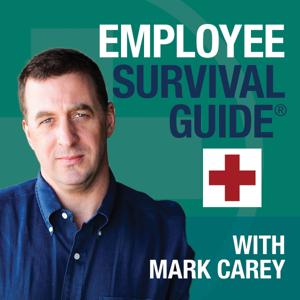
Did you know that noncompete agreements affect nearly 30 million workers across various industries, stifling their career growth and limiting their job mobility? In this enlightening episode of the Employee Survival Guide®, Mark Carey dives deep into the Federal Trade Commission's (FTC) bold move to potentially ban these restrictive clauses that have long been a barrier to employee empowerment and fair competition. Joined by a knowledgeable guest, they unpack the implications of this critical rule change, highlighting how non-compete agreements can suppress wages, restrict innovation, and create a hostile work environment for countless employees.
The FTC asserts that these agreements are not just unfair—they're detrimental to the economy as a whole. Through compelling case studies and economic analyses, Mark and his guest reveal the real-world impact of non-competes on the workforce, illustrating how they contribute to discrimination in the workplace and hinder career development opportunities. But it’s not all one-sided; the Chamber of Commerce and companies like Ryan LLC are raising alarms, arguing that the FTC may be overstepping its authority. They warn that a blanket ban could lead to unintended consequences, including increased litigation and reduced investment in employee training, which could ultimately harm the very workers the FTC aims to protect.
This episode doesn't shy away from the philosophical debate at play—should we prioritize protecting businesses or fostering competition and employee rights? Mark encourages listeners to critically evaluate the arguments on both sides of this complex issue, especially as it pertains to navigating employment law and understanding workplace policies. The ongoing legal battle over the FTC's authority to regulate non-competes could have ripple effects on regulatory power in the future, making it essential for employees to stay informed and engaged.
Whether you’re navigating employment contracts, facing work disputes, or simply seeking to understand your rights in the workplace, this episode of the Employee Survival Guide® is a must-listen. Tune in for insider tips on negotiating severance packages, understanding employment law issues, and empowering yourself in the face of workplace challenges. Don't let non-compete agreements dictate your career—take charge of your future with the knowledge and resources shared in this episode!
If you enjoyed this episode of the Employee Survival Guide please like us on Facebook, Twitter and LinkedIn. We would really appreciate if you could leave a review of this podcast on your favorite podcast player such as Apple Podcasts and Spotify. Leaving a review will inform other listeners you found the content on this podcast is important in the area of employment law in the United States.
For more information, please contact our employment attorneys at Carey & Associates, P.C. at 203-255-4150, www.capclaw.com.
Disclaimer: For educational use only, not intended to be legal advice.
 View all episodes
 By Mark Carey
5
2424 ratings
Comment on the Show by Sending Mark a Text Message.
Did you know that noncompete agreements affect nearly 30 million workers across various industries, stifling their career growth and limiting their job mobility? In this enlightening episode of the Employee Survival Guide®, Mark Carey dives deep into the Federal Trade Commission's (FTC) bold move to potentially ban these restrictive clauses that have long been a barrier to employee empowerment and fair competition. Joined by a knowledgeable guest, they unpack the implications of this critical rule change, highlighting how non-compete agreements can suppress wages, restrict innovation, and create a hostile work environment for countless employees.
The FTC asserts that these agreements are not just unfair—they're detrimental to the economy as a whole. Through compelling case studies and economic analyses, Mark and his guest reveal the real-world impact of non-competes on the workforce, illustrating how they contribute to discrimination in the workplace and hinder career development opportunities. But it’s not all one-sided; the Chamber of Commerce and companies like Ryan LLC are raising alarms, arguing that the FTC may be overstepping its authority. They warn that a blanket ban could lead to unintended consequences, including increased litigation and reduced investment in employee training, which could ultimately harm the very workers the FTC aims to protect.
This episode doesn't shy away from the philosophical debate at play—should we prioritize protecting businesses or fostering competition and employee rights? Mark encourages listeners to critically evaluate the arguments on both sides of this complex issue, especially as it pertains to navigating employment law and understanding workplace policies. The ongoing legal battle over the FTC's authority to regulate non-competes could have ripple effects on regulatory power in the future, making it essential for employees to stay informed and engaged.
Whether you’re navigating employment contracts, facing work disputes, or simply seeking to understand your rights in the workplace, this episode of the Employee Survival Guide® is a must-listen. Tune in for insider tips on negotiating severance packages, understanding employment law issues, and empowering yourself in the face of workplace challenges. Don't let non-compete agreements dictate your career—take charge of your future with the knowledge and resources shared in this episode!
If you enjoyed this episode of the Employee Survival Guide please like us on Facebook, Twitter and LinkedIn. We would really appreciate if you could leave a review of this podcast on your favorite podcast player such as Apple Podcasts and Spotify. Leaving a review will inform other listeners you found the content on this podcast is important in the area of employment law in the United States.
For more information, please contact our employment attorneys at Carey & Associates, P.C. at 203-255-4150, www.capclaw.com.
Disclaimer: For educational use only, not intended to be legal advice.
56 Listeners
2,159 Listeners

17 Listeners
58 Listeners
12 Listeners