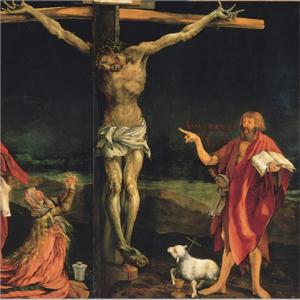
Audio recording Sermon manuscript: The relationship between shepherds and sheep is not a relationship of equality. Shepherds are one thing. Sheep are another. Their roles are not interchangeable. It is also not the case that sheep need to have their say in what is going on. They are not asked for input on where they should go or what they should do. All the decisions, or at least all the good decisions, are made by the shepherd. I say “good decisions” because the sheep are able to wander away, get lost, and manage to get eaten by wolves. but none of these things are in the sheep’s best interests. All the good decisions are made by the shepherd who leads the flock into good grazing land, who keeps them safe from predators, and so on. The Scriptures speak in several places about God being the Shepherd, and his people being sheep. For example, “The Lord is my Shepherd, I shall not want. He maketh me to lie down in green pastures, he leadeth me beside the still waters, he restoreth my soul.” Then we have the readings we have heard this morning. In Ezekiel God says that he is the Shepherd who will seek out his sheep. Ezekiel was a prophet who lived later than most of the prophets that we are familiar with. He was a prophet while God’s people were at an exceptionally low point. Their nation had been decapitated. All their leaders had been taken away to live in Babylon. Jerusalem and the Temple had been destroyed. This was a time of clouds and thick darkness. But God would shepherd them. In our Gospel reading Jesus says that this Shepherd who gets talked about in the Scriptures is him. He is the Shepherd whose rod and staff comfort you. He is the Shepherd who will gather his people from all the places where they have been scattered. Jesus knew Psalm 23. Jesus knew Ezekiel. He wasn’t pulling illustrations out of thin air when he says, “I am the Good Shepherd. … I lay my life down for the sheep.” So when the Scriptures speak about the Lord being the Shepherd, we need to know that is talking about Jesus. I began today by speaking about the great inequality that exists between the shepherd and the sheep. Let’s apply this to our relationship with Jesus. In our reading from Ezekiel, it is clear that Jesus’s sheep are not all neatly gathered together with a bow on top. God is emphatic as he preaches through Ezekiel. He says, “I, I myself will seek the welfare of my flock and carefully search for them.” The shepherd has work to do because of the way that the sheep are. One has gone over here. Another has gone over there. He pulls in these sheep wherever they might be found so that they may be safe under his protection. This shows us that God is not the way that he is often understood to be. Oftentimes God is thought of as sitting alone on a throne very far away. It is up to us to make our way to him. We also do this with the idols we falsely worship. The god of success and personal glory sits high up on a throne very far away. It is up to us to work hard and never give up so as to make our way to him. So, for example, those who choose to worship the God of athletic greatness have to do their prayers, listen to their Scriptures, and make their sacrifices every day. Their prayers are their dreams of success and glory. Their Scriptures are the motivational speakers they listen to, or the songs that they have put on their playlists. They listen to these Scriptures while they make their morning and evening sacrifices of punishing their body in the gym. Folks don’t think that this is worshipping gods, but as our Large Catechism says, “Whatever we cling to with our heart, that, for us, is our god.” So whatever we devote our heart, soul, strength and mind to—that obviously is our God, whether we recognize it or not. Of course none of these idols, or false gods, actually exist. There is only one God. And he is very different than the false gods of people’s imaginations. In fact, it’s almost the opposite. False gods are always demanding more of us. On



 View all episodes

