
Sign up to save your podcasts
Or


You've been told to leave your emotions at home and bring only logic to work so in this episode, we explore groundbreaking research from Yale and Stanford that shows the best advice is to do almost the opposite. In other words, suppressing emotions actually degrades your cognitive function and decision-making abilities. Drawing from neuroscience and real-world leadership examples, we reveal why emotional intelligence drives everything from company valuation to team performance and introduce a four-skill framework that transforms emotions from liabilities into leadership assets.
I was once called "brave" for discussing emotions after I spoke at a corporate event revealing just how uncomfortable we are with feelings in professional settings. Reviewing research from Yale Center for Emotional Intelligence and insights from neuroscientist Lisa Feldman Barrett, this episode dismantles the myth that strong leaders suppress their emotions. Instead, we learn why the best leaders know how to regulate (not suppress) their emotional experiences and how this ability directly impacts strategic thinking, creativity and company performance.
The Two Ways People Handle Emotions:
The Science of Suppression:
The Four Skills Framework for Emotional Mastery:
The Business Case for Emotional Intelligence:
[00:00] Introduction and the TV interview story [02:30] Why emotions are our GPS and universal language [04:00] The two dysfunctional ways we handle emotions [06:15] Research on suppressing emotions and cognitive function [08:30] Yale and Stanford findings on emotional suppression [10:00] The parking brake analogy [11:45] Leaders who regulate emotions vs suppress them [13:00] Wharton research on negotiation and EQ [14:15] Korn Ferry study on CEO emotional intelligence [16:00] Common misconceptions about emotions at work [18:30] The Self-Coaching Model and thoughts creating emotions [20:45] Numbness vs resilience [22:30] The Judith Wright quote on pain and love [24:00] The four skills framework introduction [25:30] Acceptance skill explained [27:00] Identification and Lisa Feldman Barrett's research [29:00] Expression without blame [31:00] Completion and the 90-second rule [33:00] Emotional mastery as self-care
"When we suppress emotions, we reduce our ability to recall memories and we reduce our capacity for making good decisions."
"Suppressing emotions is like driving a car at 80 miles per hour with the parking brake still on. You may be moving forward but you're burning out in the process."
"74% of investors believe emotional intelligence in a CEO improves company valuation."
"Peace is not the absence of pain but the result of the acceptance and expression of pain."
"Every metric founders care about (valuation, performance, growth, innovation, retention) depends on skills that are related to emotional intelligence."
This episode challenges the conventional wisdom that emotions don't belong in business. We present research demonstrating that emotional suppression actually impairs leadership performance while emotional regulation enhances it. Using frameworks and insights taken from neuroscience, you'll learn why emotional intelligence represents the deepest form of self-care and professional development available to visionary leaders.
If this episode changed how you think about emotions in leadership, please subscribe to Visionary's Pursuit and leave a review. Your feedback helps other visionary leaders discover the show and join our community.
 View all episodes
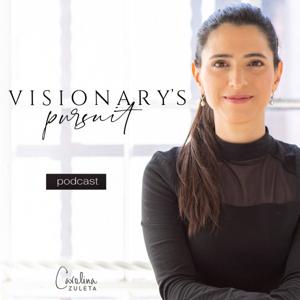
 By Carolina Zuleta
You've been told to leave your emotions at home and bring only logic to work so in this episode, we explore groundbreaking research from Yale and Stanford that shows the best advice is to do almost the opposite. In other words, suppressing emotions actually degrades your cognitive function and decision-making abilities. Drawing from neuroscience and real-world leadership examples, we reveal why emotional intelligence drives everything from company valuation to team performance and introduce a four-skill framework that transforms emotions from liabilities into leadership assets.
I was once called "brave" for discussing emotions after I spoke at a corporate event revealing just how uncomfortable we are with feelings in professional settings. Reviewing research from Yale Center for Emotional Intelligence and insights from neuroscientist Lisa Feldman Barrett, this episode dismantles the myth that strong leaders suppress their emotions. Instead, we learn why the best leaders know how to regulate (not suppress) their emotional experiences and how this ability directly impacts strategic thinking, creativity and company performance.
The Two Ways People Handle Emotions:
The Science of Suppression:
The Four Skills Framework for Emotional Mastery:
The Business Case for Emotional Intelligence:
[00:00] Introduction and the TV interview story [02:30] Why emotions are our GPS and universal language [04:00] The two dysfunctional ways we handle emotions [06:15] Research on suppressing emotions and cognitive function [08:30] Yale and Stanford findings on emotional suppression [10:00] The parking brake analogy [11:45] Leaders who regulate emotions vs suppress them [13:00] Wharton research on negotiation and EQ [14:15] Korn Ferry study on CEO emotional intelligence [16:00] Common misconceptions about emotions at work [18:30] The Self-Coaching Model and thoughts creating emotions [20:45] Numbness vs resilience [22:30] The Judith Wright quote on pain and love [24:00] The four skills framework introduction [25:30] Acceptance skill explained [27:00] Identification and Lisa Feldman Barrett's research [29:00] Expression without blame [31:00] Completion and the 90-second rule [33:00] Emotional mastery as self-care
"When we suppress emotions, we reduce our ability to recall memories and we reduce our capacity for making good decisions."
"Suppressing emotions is like driving a car at 80 miles per hour with the parking brake still on. You may be moving forward but you're burning out in the process."
"74% of investors believe emotional intelligence in a CEO improves company valuation."
"Peace is not the absence of pain but the result of the acceptance and expression of pain."
"Every metric founders care about (valuation, performance, growth, innovation, retention) depends on skills that are related to emotional intelligence."
This episode challenges the conventional wisdom that emotions don't belong in business. We present research demonstrating that emotional suppression actually impairs leadership performance while emotional regulation enhances it. Using frameworks and insights taken from neuroscience, you'll learn why emotional intelligence represents the deepest form of self-care and professional development available to visionary leaders.
If this episode changed how you think about emotions in leadership, please subscribe to Visionary's Pursuit and leave a review. Your feedback helps other visionary leaders discover the show and join our community.