
Sign up to save your podcasts
Or

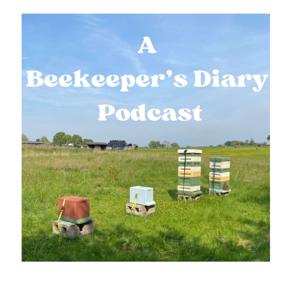


A wonderful late summer visit to the bees. Local Helicopter pilots make themselves known as I talk over the days activities. Feeding will be paused to leave space for the winter bees to be created. Don't want to fill all the space with food just yet. Varroa treatment will continue.
The golden haze of late summer transforms the apiary landscape into a sea of beige, punctuated only by the occasional cowslip, ragwort, and thistle. Standing here on August 17th, the silence is almost deafening – a stark contrast to the vibrant buzz of high summer just weeks ago.
This pivotal moment in the beekeeping calendar brings unique challenges and essential tasks. As natural nectar sources dwindle, wasps become increasingly bold in their attempts to raid honey stores. I've begun the defensive preparations by reducing the hive entrance, with plans to narrow it further to a single bee-width next week. This simple adjustment gives my colony the upper hand in their defensive efforts without impeding their necessary comings and goings.
Varroa management takes centre stage now, with my first week of treatment showing promising results. The sticky monitoring board reveals a significant mite drop – confirmation that both the parasite pressure existed and that the treatment is working effectively. A quick, targeted inspection of just a few frames revealed eggs at the 2-3 day stage, providing the reassurance of queen presence without unnecessary disturbance to the colony.
Winter preparations have officially begun with the installation of a top feeder and the first substantial syrup feeding. This marks the beginning of a feeding regimen that will continue until approximately 20kg of supplementary stores have been provided – essential insurance against winter starvation. The entire hive configuration has been optimised for the coming months, with insulation plans ready for implementation once feeding concludes.
Nature's signals of seasonal change surround the apiary – fewer swallows overhead as they prepare for migration, my first European hornet sighting of the year, and the persistent song of grasshoppers in the parched grass. .
Find me on Instagram or by visiting beekeepersdiarypodcast.com. The community of listeners is growing worldwide, and I'd love for you to join this exploration of the fascinating world of honey bees through the changing seasons.
Today I talk about taking off a couple of supers, one for me and one left for the bees. Varroa treatment starts today, 6-8 weeks to go. Hive is now reconfigured for winter. One super under the brood box, ready to move back on top in the spring.
An audio chat from beside the hive, varroa monitoring using CO2 and a bee has a good check on my bee suit.
Adding supers, brood is booming. Mid summer check in.
A hot visit to the hive to check on the new colony’s growth. Sweaty but productive.
A Sunday visit to the hive. Now expanding nicely, plenty of brood, stores are steady. Hoping to start collecting some nectar for my jars soon!
Listen to the sounds of thousands of little feet scurry across the frames and drop pollen on the open mesh floor. Occasional squeaks and grumbles. I’ve got a new contact mic for absorbing these hidden and rarely heard sounds.
The colony is now across the majority of brood frames. Time for the 1st super. Maybe some honey this year after all. Weird to be back at the beginning after so long. Enjoying the process.
First visit since installing the nuc. All looking good. Gradually expanding into the full hive. No supercedure cells, feeding underway.
From the publisher's feed
I am a hobby beekeeper with a couple of hives in Hertfordshire, UK. A lovely couple let my wife and I place our hives in some farmland beside their house. This is a short, gentle, podcast check in…