
Sign up to save your podcasts
Or

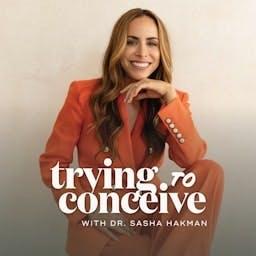

In this solo episode, Dr. Sasha goes deep on one of her most-requested topics: endocrine disrupting chemicals (EDCs). What they are, where they're hiding, how they affect your hormones and fertility, and exactly what you can do about it.
As a reproductive endocrinologist and infertility specialist, she brings both clinical expertise and personal practice to this conversation. This episode is grounded in evidence-based research, including a 136-page scientific statement from the Endocrine Society, and is designed to inform, not alarm.
In This Episode, You'll Learn:
What the endocrine system is and why hormones are the body's "keys and locks"
The definition of EDCs and why exposure is considered a global public health crisis
Why even tiny exposures can have outsized health impacts (it's not always dose-dependent)
The major classes of EDCs to know: BPA/bisphenols, phthalates, PFAS (forever chemicals), parabens, glyphosate, heavy metals, and triclosan and where each one hides
The 4 mechanisms EDCs use to disrupt your hormones - including epigenetic modification that can be passed down through generations
Why in utero exposure is the most critical window, and what effects have been linked to fetal EDC exposure (including hypospadias, cryptorchidism, diminished egg reserve, and premature ovarian insufficiency)
How EDC exposure impacts puberty, fertility, and the TTC window specifically - including the finding that phthalate metabolites were detected in the follicular fluid of 99% of women undergoing egg retrieval
The link between EDC exposure and sperm count decline (down 50% in 50 years, per Dr. Shanna Swan's research)
Health risks in adulthood: endometriosis, PCOS/PEMOS, diminished ovarian reserve, thyroid dysfunction, breast cancer, prostate cancer, and more
The Tier 1 vs. Tier 2 framework for prioritizing what to eliminate first
Why "BPA-free" is a marketing gimmick and what to look for instead
Why "unscented" ≠ fragrance-free - and what that means for your products
Why fragrance is banned entirely in IVF embryology labs (and what that tells us)
A study showing BPA urinary levels drop significantly after just 3 days of cutting out heated plastic
Follow Dr Sasha!
TikTok: @sashahakmanmd
Instagram: @sashahakmanmd @tryingtoconceivepodYouTube: @tryingtoconceivepod
Want to receive my weekly newsletter? Sign up at sashahakmanmd.com/newsletter to receive updates, answers to Q&A and more!
If you haven't already, please rate, review, and follow the podcast to be notified of new episodes every 2 weeks.
Thank you to our sponsors!
Head to AirDoctorPro.com and use promo code DRSASHA to get $250 off select AirDoctor air purifiers.
Head to cozyearth.com and use my code DRSASHA for an exclusive 20% discount.
New episodes of Trying to Conceive with Dr. Sasha Hakman drop weekly. If this episode resonated with you, leave a review and share it with someone on their fertility journey.
Learn more about your ad choices. Visit megaphone.fm/adchoices
 View all episodes
 By Dr Sasha Hakman
In this solo episode, Dr. Sasha goes deep on one of her most-requested topics: endocrine disrupting chemicals (EDCs). What they are, where they're hiding, how they affect your hormones and fertility, and exactly what you can do about it.
As a reproductive endocrinologist and infertility specialist, she brings both clinical expertise and personal practice to this conversation. This episode is grounded in evidence-based research, including a 136-page scientific statement from the Endocrine Society, and is designed to inform, not alarm.
In This Episode, You'll Learn:
What the endocrine system is and why hormones are the body's "keys and locks"
The definition of EDCs and why exposure is considered a global public health crisis
Why even tiny exposures can have outsized health impacts (it's not always dose-dependent)
The major classes of EDCs to know: BPA/bisphenols, phthalates, PFAS (forever chemicals), parabens, glyphosate, heavy metals, and triclosan and where each one hides
The 4 mechanisms EDCs use to disrupt your hormones - including epigenetic modification that can be passed down through generations
Why in utero exposure is the most critical window, and what effects have been linked to fetal EDC exposure (including hypospadias, cryptorchidism, diminished egg reserve, and premature ovarian insufficiency)
How EDC exposure impacts puberty, fertility, and the TTC window specifically - including the finding that phthalate metabolites were detected in the follicular fluid of 99% of women undergoing egg retrieval
The link between EDC exposure and sperm count decline (down 50% in 50 years, per Dr. Shanna Swan's research)
Health risks in adulthood: endometriosis, PCOS/PEMOS, diminished ovarian reserve, thyroid dysfunction, breast cancer, prostate cancer, and more
The Tier 1 vs. Tier 2 framework for prioritizing what to eliminate first
Why "BPA-free" is a marketing gimmick and what to look for instead
Why "unscented" ≠ fragrance-free - and what that means for your products
Why fragrance is banned entirely in IVF embryology labs (and what that tells us)
A study showing BPA urinary levels drop significantly after just 3 days of cutting out heated plastic
Follow Dr Sasha!
TikTok: @sashahakmanmd
Instagram: @sashahakmanmd @tryingtoconceivepodYouTube: @tryingtoconceivepod
Want to receive my weekly newsletter? Sign up at sashahakmanmd.com/newsletter to receive updates, answers to Q&A and more!
If you haven't already, please rate, review, and follow the podcast to be notified of new episodes every 2 weeks.
Thank you to our sponsors!
Head to AirDoctorPro.com and use promo code DRSASHA to get $250 off select AirDoctor air purifiers.
Head to cozyearth.com and use my code DRSASHA for an exclusive 20% discount.
New episodes of Trying to Conceive with Dr. Sasha Hakman drop weekly. If this episode resonated with you, leave a review and share it with someone on their fertility journey.
Learn more about your ad choices. Visit megaphone.fm/adchoices