
Sign up to save your podcasts
Or

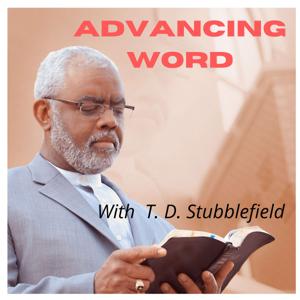


While preaching at one of St. Louis’s fastest growing, mission focused and diverse congregations, The Journey Hanley Road, Dr. Stubblefield shares a message from Psalm 27, stanza five. During a “time of trouble” in his life, King David found encouragement and strength in his covenant relationship with God. For him and for every child of God, that relationship is a “safe house “that is select, sacred and secure.
In Chapter 40, verses 28 through 31 of the Book of Isaiah, the author’s focus has moved from a critique of Israel’s waywardness to comfort and encouragement. The Jewish Rabbis called this part of the prophecy, the Book of Consolations, believing that Isaiah was seeking to comfort the Jewish remnant in Babylon after their years of captivity and to assure them that God has not left them or forgotten them. The prophet is reminding the people of God in every generation, despite what we are experiencing, of the worth of waiting on God. This sermon tells us why.
The Book of Second Kings, Chapter Four, verses one through seven introduces a desperate mother facing suffocating debt. The choke hold on her life was tightening because of the real threat that her two sons could be forced into slavery to satisfy her creditors. She cried out to the Prophet Elisha who challenged her faith. A miracle occurred that allowed her to pay her debts and live on the rest. Her breakthrough began with the question, “What do you have in the house?” This sermon explores four responses to that searching question.
In Part 3 of this series on biblical stewardship and giving, Dr. Stubblefield completes the last side of the Golden Triangle of Giving. It is generosity that enlarges our giving. According to Proverbs, Chapter Eleven, verse 24 - 28, this happens when we give eagerly, exceptionally and expectantly.
True love is the greatest motivator of all! Our love for God is the passion that energizes our giving. In Part 2 of the sermon series, The Triangle of Giving, Proverbs 8:17-21 reveals the Person that love seeks, the prize that love secures and the promise that love satisfies. Love is the key that unlocks the treasuries of God’s blessings.
Three pivotal passages in the Book of Proverbs provide a compelling summary of the Bible’s teaching on giving and stewardship. The first of these, Proverbs 3:9-10, is the focus of this message and the foundation of Part 1 of “The Triangle of Giving”. This sermon focuses on “the perspective that elevates our giving”.
While preaching at the historic Galilee Baptist Church in St. Louis, Missouri, one of the city’s storied congregations, Dr. Stubblefield shares a message from Second Kings, Chapter 6. The prophet Elisha miraculously recovers an axe that had slipped off the handle and plunged into the waters of the Jordan River. The user of the axe panicked because the axe was “borrowed.” When we lose our edge in life, marriage or ministry, God can work a miracle in our lives too.
In 2 Corinthians, Chapter Twelve, verses seven through ten, the Apostle Paul prays passionately and persistently for the removal of something (or someone) he identifies as “a thorn in the flesh”. God doesn’t remove the problem but gives Paul the strength to bare it. So often in life and ministry, we learn that through God’s grace, we can abound in adversity. This sermon tells us why.
According to Philippians, Chapter Three, some aspects of our past can be like a dangerous and life-threatening rip tide or undercurrent that flows opposite of the peace, joy, love, faith, hope and prosperity that God has for us. In verses thirteen and fourteen of this epic chapter, the Apostle Paul recognizes that his pursuit of godliness could be jeopardized by the pull of the past. This sermon shows us how to overcome this pull and live our lives in the future tense.
If time was a bank account, what would your personal balance be? The answer to that searching and perhaps unsettling question is that none of us really know. It is this issue that motivates the Apostle Paul’s attempt to encourage a sense of urgency among the members of the church at Rome. According to Romans 13:11-14, the recognition that “time is running out” anchors not only their expression of Christian love but their experience of Christian liberty.
From the publisher's feed