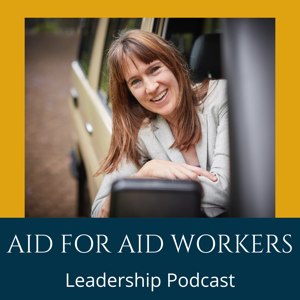
Ariana Almeida made the brave leap from lawyer to aid worker in 2007 with her move from Lisbon to London and soon after, with her husband, to Timor-Leste. By 2010 Ariana had co-founded a social enterprise/NGO called Empreza Diak that empowers rural communities through sustainable livelihoods.
When her husband Filipe received an opportunity to go to Harvard to get his Masters in Public Administration, Ariana also received the benefit of taking courses with people from around the globe. She did not realize at the time how much impact these courses would have in terms of changing her perspective about how development works and the way most INGO’s and Donors operate.
One of these courses was called Developing People, which talks about human development from a more holistic perspective, rather than the traditional way of thinking “can’t teach an old dog new tricks”. This means looking beyond just learning knowledge and technical skills but also learning how to see the world differently and in a way which allows us to make better decisions and change our behavior to what we would like it to be. We may apply this not only to ourselves but when thinking about our staff or communities with which we work. In this episode she explains:
- How our patterns of thought influence our behavior
- How the Immunity to Change Map can help us change our behavior
- The difference between horizontal versus vertical development
- Her struggle with understanding if Empreza Diak is having the impact they would like to make
- Using mindfulness and visualization at community level to encourage people to talk about what they really need
- Different levels of vertical development and how decision making and outlook varies at each level
- Practical ways of advancing from one level to another in vertical development
- Why creating “holding environment” is important (environment or network where you can reflect and process your ideas with people you trust)
- Why it is important to do reflection soon after an event happens rather than waiting
(I tried the Immunity to Change map with my goal to focus more on coaching staff and less on providing solutions to problems they can resolve themselves. I found it interesting in terms of thinking through assumptions we have that may or may not be true, which makes you question your reason for not changing your behavior. I will couple this with journaling for a few weeks and let you know how it goes.....)
For full list of resources and Torrey's Immunity to Change Map, please visit
http://www.aidforaidworkers.com/podcast/achieve-the-change-you-want