If your hearing aids still feel noisy, uncomfortable, frustrating, or not helpful enough, it can be easy to wonder whether you bought the wrong devices — or whether hearing aids just do not work for you. But many common hearing aid problems are fixable once the real cause is identified.
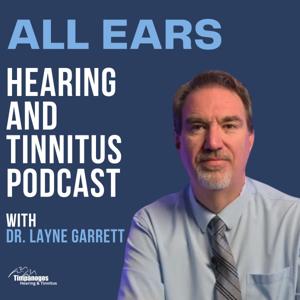
In this episode, Dr. Layne Garrett of Timpanogos Hearing & Tinnitus explains five of the most common reasons hearing aids do not seem to work right: background noise, poor speech clarity, whistling or feedback, strange own-voice sound, and physical discomfort. He also explains the difference between adaptation problems, mechanical problems, and fitting or technology problems.
You'll learn why consistent wear matters, why real ear measurements, also called REM, are essential for verifying hearing aid fittings, and why speech-in-noise testing can reveal problems that a basic hearing test may miss. Dr. Garrett also explains why wax, dome size, receiver wire length, programming, and changes in hearing can all affect real-world performance.
Dr. Garrett uses a medical-model approach to hearing care, combining advanced diagnostics, REM verification, speech-in-noise testing, and practical patient counseling.
For more hearing loss and tinnitus resources, visit https://utahhearingaids.com/learning-center To schedule with Timpanogos Hearing & Tinnitus in Northern Utah, visit https://utahhearingaids.com