
Sign up to save your podcasts
Or

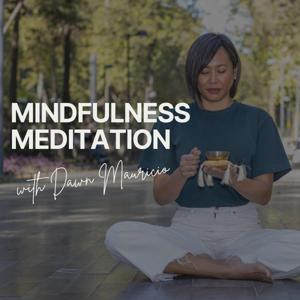

In this practice, you'll work with whatever arises—moods, emotions, sensations—through the lens of allowing, investigating, and recognizing it's not yours. When something feels compelling or challenging, can you let it be here without fighting it? Get curious about how it moves, shifts, evolves. The heart of the practice is touching into non-identification—all that moves through you is simply nature being expressed because of causes and conditions coming together in this moment.
-----
Practice Reflection:
We tend to identify so strongly with what arises—anger means we’re an angry person, anxiety means something is wrong with us, a harsh thought means we’re unkind. But what if these experiences are more like weather moving through you than something intrinsic to who you are?
The Buddhist teaching of causes and conditions (pratītyasamutpāda) suggests that nothing exists independently and everything arises from a complex web of factors—lack of sleep, the news you read, a conversation that triggered you, the coffee you had. As a result, your reaction is nature expressing itself through the particular conditions present right now.
But! Even though what is arising is not our fault, it is still our responsibility. Yes, you didn’t cause the conditions, but you are responsible for what you do with what arises. You can investigate it with curiosity, choose how you respond, and repair when you’ve acted unskillfully. That’s the balance—it’s not your fault, but it is your responsibility.
In daily life, this means catching yourself in a spiral and remembering: this, too, is nature. The irritation with your partner isn’t who you are, it’s what’s arising given the tiredness and stress and hunger of this moment.—and you can still choose to pause before you snap, still apologize, still show up differently, if not just now, then in the future.
The practice isn’t about becoming someone different or bypassing accountability, it’s about recognizing you were never the problem to begin with, while also knowing you have the capacity to respond with intention.
-----
🗓️ explore ways to deepen your practice and study here
🌱 learn more about somatic experiencing for qt/bipoc here
💌 receive a monthly letter in your inbox here
 View all episodes
 By Dawn Mauricio
5
1717 ratings
In this practice, you'll work with whatever arises—moods, emotions, sensations—through the lens of allowing, investigating, and recognizing it's not yours. When something feels compelling or challenging, can you let it be here without fighting it? Get curious about how it moves, shifts, evolves. The heart of the practice is touching into non-identification—all that moves through you is simply nature being expressed because of causes and conditions coming together in this moment.
-----
Practice Reflection:
We tend to identify so strongly with what arises—anger means we’re an angry person, anxiety means something is wrong with us, a harsh thought means we’re unkind. But what if these experiences are more like weather moving through you than something intrinsic to who you are?
The Buddhist teaching of causes and conditions (pratītyasamutpāda) suggests that nothing exists independently and everything arises from a complex web of factors—lack of sleep, the news you read, a conversation that triggered you, the coffee you had. As a result, your reaction is nature expressing itself through the particular conditions present right now.
But! Even though what is arising is not our fault, it is still our responsibility. Yes, you didn’t cause the conditions, but you are responsible for what you do with what arises. You can investigate it with curiosity, choose how you respond, and repair when you’ve acted unskillfully. That’s the balance—it’s not your fault, but it is your responsibility.
In daily life, this means catching yourself in a spiral and remembering: this, too, is nature. The irritation with your partner isn’t who you are, it’s what’s arising given the tiredness and stress and hunger of this moment.—and you can still choose to pause before you snap, still apologize, still show up differently, if not just now, then in the future.
The practice isn’t about becoming someone different or bypassing accountability, it’s about recognizing you were never the problem to begin with, while also knowing you have the capacity to respond with intention.
-----
🗓️ explore ways to deepen your practice and study here
🌱 learn more about somatic experiencing for qt/bipoc here
💌 receive a monthly letter in your inbox here

12,754 Listeners