
Sign up to save your podcasts
Or

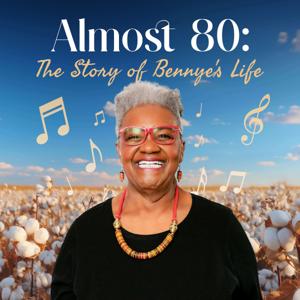


Bennye and Keisha explore the various jobs that Bennye worked over the course of her working life. She delves into how she was able to use these jobs and then career to mold so much about her life. Take a listen.
Keisha interviews her mother, Bennye, now 81, about the Bethlehem School’s history and what happened after school integration following the 1964 Civil Rights Act. She learned from Kenneth Payne of the Bowie County Historical Society that Bethlehem was a Rosenwald School, part of a 1917–1932 initiative by Sears Roebuck founder Julius Rosenwald and Booker T. Washington that built about 5,000 schools for Black students with community contributions of land and resources. She describes how integration affected her brothers and sisters. Drawing on siblings’ and others’ accounts, she recounts the good and the bad that came from this landmark legislation and its impact on those she loved.
Host Keisha interviews her mother about her path to higher education after an unexpected pregnancy following her college acceptance. Facing that decision, she rejected abortion out of fear and first confided in a trusted figure, Miss Vera, before telling her own mother. Rather than despair, her mother responded with optimism, offering to care for the baby so her daughter could still attend college. Bennye deferred her admission by letter and was welcomed back the following year.
She opens up about the church stigma she faced, including being required to make a public apology while the father faced no such accountability. She also shares the experience of a home birth with a midwife, and the meaningful support she received from employers and family as she prepared to head to Bishop College.
At Bishop, she hit the ground running, navigating registration, securing loans that were later revealed to be part of a financial aid scandal, and declaring a major in vocal music with a minor in education. She sang in the college choir, developed her operatic technique, studied foreign-language repertoire, and completed her student teaching, though not without some snide supervision along the way. It was also during her college years that she met her future husband, Miles.
After graduating in 1968, the couple soon moved to Boston for Miles's graduate program at BU, and it was there in Massachusetts that she launched her teaching career.
Bennye and Keisha sit down for a conversation about Bennye's primary and secondary education. Starting with kindgergarten, moving through making her way to a state-wide competition when she was 7, and then learning multiple instruments in high school band, Bennye takes her time to fondly remember the beginnings of her formal education.
In this episode of Almost 80, hosts Bennye and Keisha sit down with Bennye's brother Alvin—affectionately called Uncle Flea—to reminisce about their childhood in the Bethlehem community. They discuss growing up on a 50-acre farm without electricity, the daily chores that shaped their early lives, and the communal efforts of butchering, growing food, and canning produce. They also reflect on their simpler, yet imaginative forms of play, highlighting games and activities that bonded the community. The conversation touches on the importance of family roles, the significance of holidays like Juneteenth, and the cultural dynamics of segregation. This heartfelt conversation serves as a rich and vivid oral history of a bygone era, aiming to preserve these memories for future generations.
In this episode, Bennye describes how a tragedy in 1947 changed the trajectory of her family's life.
00:00 Welcome and Introduction
00:36 Catching Up After a Long Break
01:33 Family Background and Early Memories
04:00 The Fire
11:42 Coping with Loss and Moving Forward
17:43 Reflections and Gratitude
22:18 Emotional Farewell and Conclusion
In this episode of Almost 80, Bennye and her daughter, Keisha, revisit their family history after a summer-long break. They discuss their past episodes, covering Bennye's childhood experiences in East Texas, including picking cotton and explaining where DeKalb is. The conversation then delves into a rich narrative about Bennye's family, focusing on her parents, Emmitt and Arnese. They discuss Emmitt’s personality, hardships, and medical challenges, as well as Arnese’s resilience and nurturing spirit despite facing colorism and abandonment by her parents. The episode closes with reflections on generational trauma and resilience which underlie this deeply personal and historical American story.
This podcast episode features a heartwarming conversation between Bennye and her daughter, Keisha, reminiscing about the mother's upbringing in De Kalb, Texas, and the surrounding Bethlehem community. Bennye shares vivid memories of her small-town life, detailing the town's demographic composition, local businesses, community dynamics, and racial segregation experiences. She contrasts the past with the present, noting the decline in population and communal activities. The discussion also covers personal anecdotes about family, cultural practices, and the impact of their community's socio-economic changes over time. The episode paints a detailed picture of life in a rural American town from the past to its present-day challenges while highlighting the strength and resilience of community bonds.
00:00 Welcome Back and Catching Up
00:47 Celebrating Milestones and Mother's Day
01:21 A Deep Dive into DeKalb, Texas: Hometown Stories
03:42 Life in De Kalb: Stores, Services, and Segregation
08:39 Community Dynamics and Racial Divides
11:23 Navigating Social Norms and Segregation in Retail
14:29 Exploring Surrounding Communities and Their Connection to DeKalb
16:00 Bethlehem: The Community That Raised Me
18:09 The Heart of Community: Church and Fellowship
18:50 The Tradition of Hymns and Testimonies
19:37 Exploring Gender Roles in Church Leadership
20:12 Musical Expressions and Lost Traditions
20:38 Family Dynamics and Church Attendance
21:51 Community Cooking and Sharing Meals
24:11 The Essence of a Close-Knit Community
28:36 Addressing Crime and Mental Health in the Community
32:00 The Decline of Bethlehem and Reflections on Community Resilience
34:16 Concluding Thoughts on Hope and Community Survival
In this episode, host Bennye invites her daughter, Keisha, to discuss Bennye’s childhood experiences working in the cotton fields of DeKalb, Texas. Born into a large family, Bennye recounts her work in cotton fields from the time she was a tween through her high school graduation. She describes what their days were like: the four o'clock wake-up time with the preparation of meals from scratch followed by long hours spent chopping and picking cotton until six in the evening. Despite this challenging work, Bennye reflects on the importance of speaking the memories of these experiences out loud for future generations, emphasizing the sense of community and togetherness that helped them maintain not only survive, but thrive in challenging, yet loving, circumstances.
00:48 The Story Behind the Cotton Cover
01:11 Early Life and Childhood Memories
02:48 Growing Up in DeKalb, Texas
03:59 The Hardships of Cotton Chopping
10:01 The Intricacies of Cotton Picking
11:43 A Day in the Life of a Cotton Picker
14:31 High School and Early Work Experiences
14:58 Family Struggles and the Need to Work
16:16 Self-Sufficiency and the Perception of Poverty
18:50 Childhood Memories and Community Bonds
22:28 The Reality of Child Labor in Cotton Fields
22:49 The Process of Cotton Picking and Its Challenges
26:45 Life as Migrant Workers and Family Dynamics
29:08 Reflections on the Past and the Importance of Sharing Stories
From the publisher's feed
Almost 80 is a podcast that features the life of Bennye, starting from rural Texas in the 1940s, to her years of teaching music, singing in musical and opera productions, and her prolific career as…