
Sign up to save your podcasts
Or

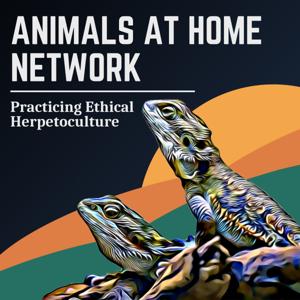


What if you could build your reptile enclosure before spending a single dollar? In this episode, I sit down with Daniel Wilson, creator of CritterCAD, a 3D vivarium design platform that helps keepers design naturalistic enclosures, experiment with layouts, and evaluate their husbandry using a species-specific CARE score. We discuss how the software was built, the challenges of turning husbandry into a digital tool, the role of community-driven care information, and where CritterCAD is headed next. Whether you're planning your next enclosure or just love innovative reptile-keeping tools, this is an episode you won't want to miss.
SHOW NOTES: https://www.animalsathomenetwork.com/254-crittercad/SPONSORS: Visit The BioDude: https://www.thebiodude.com/ Visit Zoo Med Labs here: https://zoomed.com/JOIN US ON PATREON: https://www.patreon.com/animalsathomeLINKS FROM THE EPISODE:CritterCAD: https://www.crittercad.com/ https://www.instagram.com/crittercad/Photos and Video in Episode:Provided by Daniel Wilson0:00 Intro
3:40 Welcome Daniel & Background
11:11 Career & Education
13:16 Intro to CritterCAD31:29 Live CritterCAD Demo and picking enclosure
40:11 Substrate
57:48 Backgrounds
1:03:42 Lighting
1:10:45 Generating a Shopping list
1:12:45 Plants & Adding the Animal
1:16:28 Care Score
1:26:00 Adding Custom 3D Assests
1:38:00 Final Words on CritterCAD
1:41:50 Outro
Green tree pythons may be one of the most misunderstood snakes in the reptile hobby.In this episode, we take a deep dive into the world of locality lines, designer chondros, imports, pedigree claims, and the economics driving the modern green tree python market. How much do breeders actually know about the origins of the animals they’re producing? And how much of the market is built on speculation?From wild-type animals and locality confusion to morphs, hybrids, and captive breeding ethics, this is a conversation about what happens when hype outpaces structure.
SHOW NOTES: https://www.animalsathomenetwork.com/#253 #LIVE #animalsathomepodcastJOIN US ON PATREON: https://www.patreon.com/animalsathome
In this episode, Daniel Yates presented his research on the neuroscience of reptiles. Daniel shared his PowerPoint presentation titled "Learning Science and How to Deal with People for My Reptiles," focusing on the brain anatomy of reptiles and how it compares to human brain structure. He explained key concepts, including the three "humps" of the reptile brain (forebrain, mid brain, and cerebellum), the optic tectum's role in processing visual information, and how different reptile species have adapted their brain structures based on their environments and behaviors. Daniel discussed various studies, including a 40-species analysis and shared his hypothesis about how reptiles perceive and interact with their environments. The conversation also touched on his personal background in science and his approach to studying reptile neuroscience, emphasizing the need for more research in this area.SHOW NOTES: https://www.animalsathomenetwork.com/252-daniel-yates/SPONSORS: Visit The BioDude: https://www.thebiodude.com/ Visit Zoo Med Labs here: https://zoomed.com/JOIN US ON PATREON: https://www.patreon.com/animalsathomeLINKS FROM THE EPISODE:https://www.youtube.com/@UCETeOch6OVLTC9GQPR3_QhQ
PDF DOWNLOAD: https://www.animalsathomenetwork.com/wp-content/uploads/2026/05/Neuroscience-of-Reptiles.pdf
In this episode of the Animals at Home Podcast, I’m joined by reptile keeper and podcast host Adam Sehy for a wide-ranging conversation about reptile keeping, outdoor husbandry, podcasting, breeding decisions, and balancing reptiles with real life.
We discuss Adam’s journey into reptiles and podcasting, how his show evolved from a curiosity-driven learning project into a successful reptile media platform, and why he recently decided to scale back recording frequency to focus more on family and avoiding burnout.
We also take a deep dive into Adam’s current collection, including Argentine boas, jungle carpet pythons, diamond pythons, blood pythons, Timor pythons, and Texas indigos. Adam shares his philosophy on keeping a smaller, more intentional collection, his preference for natural-looking animals over morphs, and how he evaluates whether or not an animal should be bred.
One of the most fascinating parts of the episode centers around Adam’s outdoor reptile enclosures in Florida.
We discuss:
We also touch on:
SHOW NOTES: https://www.animalsathomenetwork.com/251-adam-sehy/SPONSORS: Visit The BioDude: https://www.thebiodude.com/ Visit Zoo Med Labs here: https://zoomed.com/JOIN US ON PATREON: https://www.patreon.com/animalsathomeLINKS FROM THE EPISODE:https://www.youtube.com/@Snake_Boi
https://www.instagram.com/official_snake_boi/
https://www.facebook.com/adam.sehy/00:00 Intro
02:27 Adam’s podcast journey & reducing episode frequency
9:55 How reptile podcasting changed his husbandry philosophy
34:52 Growing up with reptiles & early keeping experiences
52:40 Adam's Collection
1:01:08 Why Adam Won't Breed His Jungle Carpet Python
1:08:20 Why Argentine Boas are Amazing
1:21:45 Diamond pythons outdoors in Florida & Sub Zero Cold Snap
1:43:42 Texas indigo snakes & feeding challenges
1:49:20 Social media, reptile content & podcasting culture
1:55:25 Where to find Adam & closing thoughts
What if the key to working with reptiles isn’t control… but trust?In this episode, I sit down with Nick Campbell to break down a completely different approach to reptile keeping—one built on trust, confidence, and curiosity rather than force or compliance.Nick shares his journey back into the reptile world after years away, starting with an emerald tree boa and quickly expanding into more advanced species like green tree monitors. From there, the conversation dives deep into how he approaches building trust with even the most nervous animals.We explore his unique “backwards design” method—starting interactions outside the enclosure to establish safety before ever attempting handling—and why this mindset shift can completely change your relationship with your animals.We also get into:How to work with high-strung species like monitor lizardsThe importance of water systems and enclosure designCreative enrichment strategies (including outdoor “catio” setups)Nail care, lighting, and environmental controlWhy patience and observation are the most underrated tools in reptile keepingIf you’ve ever struggled with a defensive reptile—or want to take your husbandry and interaction to the next level—this episode will challenge the way you think about handling and care.SHOW NOTES: https://www.animalsathomenetwork.com/250-lizard-lounge/SPONSORS: Visit Zoo Med Labs here: https://zoomed.com/JOIN US ON PATREON: https://www.patreon.com/animalsathomeLINKS FROM THE EPISODE:https://www.instagram.com/lizardloungecrew/https://www.facebook.com/stevediamondelementsPhotos and Video in Episode:https://www.instagram.com/lizardloungecrew/00:00 – Intro: Why Your Reptile Doesn’t Trust You
02:46 – Meet Nick Campbell (Lizard Lounge)
03:30 – Reptile Keeping in the 90s
08:12 – Leaving the Hobby & Career Shift
12:51 – Human Behavior → Reptile Behavior
14:17 – The Framework: Trust → Confidence → Curiosity
21:54 – Returning to Reptiles (Emerald Tree Boa)
27:25 – What “Trust” Really Means
33:32 – Step-by-Step Trust Building (Tree Monitor Example)
44:38 – Why Food Reward Isn't Enough, Other Better Tools
52:21 – Applying This to Snakes (Retic Example)
56:18 – Signs of a Comfortable Reptile
1:08:52 Enrichment (In & Out of the Enclosure)
1:14:09 – Keeping Large Monitors Properly
1:16:28 – Water & Waste Management
1:23:44 – Nail Maintenance (Critical Tip)
1:29:07 – Final Advice
1:30:51 – Outro
In this solo episode, I dive into two topics that constantly spark debate in the reptile community:👉 Do you actually have the right to own reptiles?👉 And when does collecting animals cross the line into hoarding?We explore the idea of reptile ownership through the lens of public safety, personal responsibility, and what it means to be part of a structured society. If you benefit from living in a community, do you also have to accept the rules that come with it?Then we shift into the concept of “collecting” reptiles—a term that often gets criticized. Is collecting really a bad thing, or is it just human nature? And more importantly… how do you know when a collection becomes something unhealthy?This episode is all about challenging assumptions, defining ethical boundaries, and giving you tools to reflect on your own role as a keeper.Let me know your thoughts in the comments 👇🎧 Listen to more episodes:Animal Control Officer Perspective w/ Brendan Hettinger: https://youtu.be/lVbbC_v4juIZookeeping: https://youtu.be/BgYyK81g7FUThe Dark Side of the Oddities Market: https://youtu.be/Oii0Mf_vjlgCrested Gecko Habitat Deep Dive: https://youtu.be/3kD0Wjzyl7wReptile Heating & Enclosure Size Explained: https://youtu.be/ZgJJ_MiFSnsSHOW NOTES: https://www.animalsathomenetwork.com/249-dillon-perron/JOIN US ON PATREON: https://www.patreon.com/animalsathome00:00 – Intro & Episode Overview00:40 – Why This Is a Solo Episode01:57 – Stepping Away From Social Media04:37 – Do You Have the “Right” to Own Reptiles?11:20 – The Idea of “Collecting” Reptiles17:50 – The “Buying High”, Hedonic Cycle & Hoarding26:35 – Recent Episodes Recap34:10 – Upcoming Episode Tease (Lizard Lounge)
In this episode, I’m joined by Brendan Hettinger, an animal protection officer who has seen the worst cases of reptile keeping firsthand. We break down the dark reality behind reptile rescues, hoarding situations, and how well-intentioned keepers can unintentionally cause serious harm.We also discuss what animal control actually sees, why bad cases shape legislation, and what responsible keepers can do to protect the future of the hobby.⚠️ This episode contains some disturbing content.SHOW NOTES: https://www.animalsathomenetwork.com/248-brendan-hettinger/SPONSORS: Visit The BioDude: https://www.thebiodude.com/ Visit Zoo Med Labs here: https://zoomed.com/JOIN US ON PATREON: https://www.patreon.com/animalsathomeLINKS FROM THE EPISODE:https://kdvr.com/news/local/114-cats-rescued-some-found-dead-in-arvada-home-owners-face-cruelty-charges/https://www.instagram.com/brendan_hettinger/Photos and Video in Episode:https://www.instagram.com/brendan_hettinger/00:00 – Introduction & warning01:10 – What this episode is about02:05 – Meet Brendan Hettinger04:10 – Early passion for reptiles & zoo experience08:30 – Becoming an animal protection officer12:10 – What animal control actually does (disease, euthanasia, etc.)16:20 – Fear of dogs vs reptiles19:30 – Cat hoarding case (100+ cats, biohazard conditions)25:00 – Psychology behind hoarding29:10 – How reptile keepers are perceived by law enforcement33:00 – Reptile neglect cases (bearded dragons, sliders, etc.)36:40 – Why reptile rescues often fail41:20 – Reptile hoarding case walkthrough (the “rescue”)47:00 – Why bad cases drive legislation51:00 – The problem with “rescuing” animals you can’t afford55:10 – Should reptiles be regulated more?59:30 – Breeding, oversupply, and future laws1:05:00 – Can the reptile hobby fix itself?1:09:30 – Ethical takeaways for keepers1:13:00 – Brendan’s personal collection1:16:30 – Long-term responsibility & animal lifespan1:19:00 – Final thoughts
In this episode, Dillon interviewed Malthe, a 24-year-old Danish zookeeper who shared his journey into zookeeping and his current role at a zoo in Hanning. Malthe discussed his education and training as a zookeeper in Denmark, which involves a combination of school and practical work experience. He described his daily responsibilities, which include cleaning enclosures, preparing animal diets, and conducting enrichment activities. Malthe also shared insights into the challenges of zookeeping, such as dealing with animal deaths and stimulating natural behaviors in captivity. He compared zookeeping practices in Denmark and North America, noting differences in how animals are displayed for visitors. The conversation covered topics such as communal enclosures, the strength and intelligence of various animals, and the importance of proper animal care. Malthe emphasized the physical demands of the job and the need for zookeepers to be prepared for the realities of working with animals in a zoo setting.
SHOW NOTES: https://www.animalsathomenetwork.com/247-zookeeping/SPONSORS: Visit The BioDude: https://www.thebiodude.com/ Visit Zoo Med Labs here: https://zoomed.com/JOIN US ON PATREON: https://www.patreon.com/animalsathomeLINKS FROM THE EPISODE:https://www.instagram.com/malthe.12/Photos and Video in Episode:Provided by Malthe
0:00 Coming Up
00:44 Introduction
3:17 Welcome Malthe
8:52 How to become a zookeeper in Denmark?
12:06 How many zoos are in Denmark?
15:11 What reptiles do you keep at home?
17:42 Did keeping animals privately influence you?
21:02 Zookeeping courses & training
26:12 How to provide enrichment to zoo animals (Giraffes)
34:45 Zoo Med Creatures Roly Poly Kit
35:56 No days off at the zoo & latch anxiety
36:38 How much money do zookeepers make? Worst thing about zookeeping
39:22 Recording keeping
40:47 Flagship species at the zoo?
42:49 What can private keepers learn from zookeepers?
44:10 BioDude Terra Fauna & Bug Grub
45:11 Co-habbing species
47:45 What can zookeepers learn from private keepers?
49:22 What you need to know before becoming a zookeeper
51:00 Dealing with the death of an animal
52:53 How to simulate hunting for lions?
55:32 Animals at Home Merch & Patreon
56:42 Monkeys causing problems
58:49 No contact rule - dangerous giraffes
1:01:19 North America vs Europe Zookeeping
1:05:28 Winter vs Summer Zoo operation
1:07:04 Advice for future zookeepers
1:09:25 Closing Thoughts
This is a true crime story about a man who sold human remains online, operating within the dark and controversial world of the oddities market. While this overlaps with the reptile and exotic animal community, this case goes far beyond that into illegal trade and disturbing online activity.In this episode, Nathan Carlos Rupley joins the podcast to discuss the dark side of the oddities market and the uncomfortable realities behind how many animal specimens actually enter the trade. We explore where deceased animals are often sourced from, the ethical questions surrounding a market that depends on animals dying to exist, and why the label “ethically sourced” is frequently used as a way to reassure buyers rather than reflect reality.The conversation also moves into the disturbing rise of human remains appearing in the oddities market. We discuss several shocking cases, including grave robbing operations, corrupt cremation practices, and even a scandal involving a Harvard Medical School employee selling human body parts.This episode takes a hard look at a topic that many people find fascinating but rarely examine closely: where these specimens actually come from, and the ethical issues surrounding the trade.If you enjoy deep conversations about the intersection of ethics, wildlife, and the darker corners of niche markets, this episode will definitely give you something to think about.JOIN US ON PATREON: https://www.patreon.com/animalsathomeSHOW NOTES: https://www.animalsathomenetwork.com/246-oddities/SPONSORS: Visit The BioDude: https://www.thebiodude.com/ Visit Zoo Med Labs here: https://zoomed.com/LINKS FROM THE EPISODE:https://www.instagram.com/nathan_carlos_rupley/https://www.facebook.com/nathan.rupleyFish Channel: https://www.youtube.com/@UC0WjNicr4ZY4wlbsWo6XSdw https://www.nbcphiladelphia.com/news/local/pa-man-accused-of-stealing-bones-from-cemetery-in-delaware-county/4329838/https://www.justice.gov/usao-mdpa/pr/thompson-man-sentenced-72-months-prison-trafficking-stolen-human-remains0:00 Coming Up00:34 Intro & Content Warning3:40 Welcome Nathan & Intro to Oddities9:06 Why are people drawn to oddities?14:06 The ethical issues with deceased animals 29:25 Don't trust "ethically sourced." Do this instead.36:47 Selling Human Remains - News Story41:49 Can you legally own a REAL human skull?44:32 Harvard Medical School Employee selling remains52:05 The Body's Exhibit & Human Remains Art57:59 Fastination with Death & Deformities 1:06:16 Nathan's Animal Collection - Keeping Roaches, Spiders & Beetles1:20:48 Animal keeping is a celebration of life1:25:30 Closing Thoughts
From the publisher's feed

8,737 Listeners
38,065 Listeners

87,142 Listeners
24,538 Listeners

398 Listeners
46,879 Listeners
99 Listeners
57 Listeners

62 Listeners

103 Listeners
8 Listeners
51 Listeners

36 Listeners

6 Listeners
2 Listeners