
Sign up to save your podcasts
Or

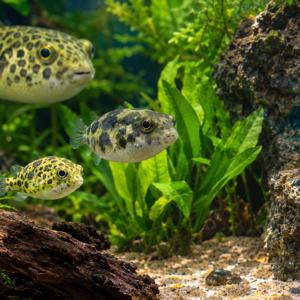


Welcome back to another episode where we tackle one of the most common worries new fishkeepers face: how do you actually clean your aquarium without stressing out or hurting your fish? Cleaning is a necessary part of the hobby, but too many beginners either avoid it entirely out of fear, or go too aggressive and end up crashing their tank's water parameters. In this episode, we walk through a safe, fish-friendly cleaning routine — from partial water changes to gravel vacuuming — that keeps your tank healthy without putting your fish through unnecessary stress.
One issue that often confuses hobbyists right after a cleaning session is waking up to hazy or milky water the next morning. If you've ever dealt with this, our guide on why your fish tank might be cloudy overnight breaks down the most common causes — from bacterial blooms to disturbed substrate — and how to tell the difference between a normal post-cleaning adjustment and a sign that something's actually wrong with your water quality.
We also spend time on a problem that's closely tied to cleaning frequency: algae. A big part of "cleaning without hurting your fish" is reducing how often you need to scrub and disturb the tank in the first place, and that starts with controlling algae growth before it gets out of hand. For practical, ongoing strategies — lighting adjustments, nutrient control, and cleanup crews — check out our full breakdown on how to prevent aquarium algae. Between a gentler cleaning routine and proactive algae prevention, you'll spend less time fighting your tank and more time enjoying it. Thanks for listening, and we'll see you in the next episode!
From the publisher's feed
Welcome to this episode of AquaSumit, where we dive deep into the world of freshwater aquascaping and plant care for hobbyists at every level. In today's conversation, we explore how live plants…
We also spend time discussing color and contrast in planted tanks — a topic that often gets overlooked by newer hobbyists chasing only greenery. If you want to add some visual pop to your setup without complicating your maintenance routine, this rundown of easy red aquarium plants is a great starting point, covering species that hold their color well even under moderate lighting and don't demand heavy dosing schedules.
Finally, for those looking to fill out a new tank quickly or recover from a plant die-off, we talk through some of the best options for rapid growth. This list of the fastest growing aquarium plants is a resource we point to often, since fast growers are also excellent at outcompeting algae and stabilizing water parameters early in a tank's life. Thanks for tuning in to AquaSumit — subscribe for more deep dives into the aquarium hobby, from beginner setups to advanced aquascaping techniques.