In 1903, William F. Isaacs opened the Toggery on Main Street in Medford, Ore., offering fine clothing, hats and gloves. A son of Oregon pioneers, Isaacs was an avid fly fisherman and believed in the power of advertising.
The first Europeans to explore the Klamath Basin on foot and horseback in the early 1820s were amazed at how the Indigenous people near present-day Klamath Falls, Ore., depended more on canoes than horses. When the army, gold miners and settlers arrived by mid-century, they too relied on water travel.
The first woman to become a senator in the Oregon Legislature was Kathryn Clarke in 1915. She had more than a little help from her cousin, Gov. Oswald West.
During World War II, the United States established civilian-staffed Aircraft Warning Service airplane spotters along the country’s east and west coasts in May 1941.
Roy Parker, a longtime mill operator in Selma, Ore., had a hard time collecting an inheritance because the army believed he had died when his troop ship blew up and killed everyone aboard at the start of World War I. Parker was listed among the dead even though he had arrived too late to board the ship.
Travelers often ponder its name when they visit the Steamboat Inn at the confluence of Steamboat Creek and the North Umpqua River, some 40 minutes east of Roseburg on State Route 138.
Alarm spread through Medford, Ore., one morning in 1917 when residents found small cards on front porches or slipped under their doors with the message, “You Will DIE This Christmas,” with DIE in capital letters.
As a young girl growing up in Minnesota at the turn of the century, Hilda Montgomery, born Matthea Thorseth, always loved to write. She used to scribble notes and stash them in her apron pocket while doing chores on the family farm. She later moved to the Pacific Northwest and became a teacher and best-selling regional author.
A trail in the Kalmiopsis Wilderness is named Shorty Noble Way for a miner who declared in a 1978 interview that he was “the last free man.”
2 min
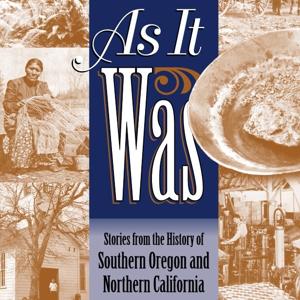
About As It Was
From the publisher's feed
Colorful vignettes dedicated to the regional history of Southern Oregon and Northern California. As It Was is an all volunteer effort -- produced by Raymond Scully and narrated by Shirley Patton in…
partnership with writers from the Southern Oregon Historical Society.If you have a writing background and would like to submit an As It Was essay for consideration, email your written piece to [email protected] collection of As It Was essays is available in a high-quality paperback book at the JPR Online Store. Each episode is also available below.