
Sign up to save your podcasts
Or

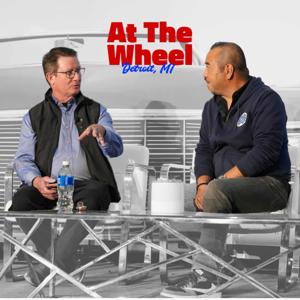


GM Makes the Money. Tesla Steals the Show.
Joe White and Tu Le on Tesla’s spectacle, GM’s profits, and China’s growing foothold in Europe.
GM is generating billions in cash. Tesla just reminded everyone that Elon Musk can still command the world’s attention. And in Paris, Chinese automakers weren’t merely showing off new vehicles—they were showing Europe where they intend to build them.
Three stories. One uncomfortable question:
Are the companies making the most money today necessarily the ones best positioned for tomorrow?
In Episode #29 of At The Wheel, Joe White and Tu Le compare notes on a global automotive industry increasingly divided by geography, technology, and corporate priorities.
Fresh from the Paris Motor Show, Tu describes the growing ambitions of XPeng, Geely, Leapmotor and other Chinese automakers, including their plans to manufacture vehicles inside Europe. Joe draws parallels with the arrival of Japanese and Korean automakers in America—and questions whether Europe’s established brands are helping create their next generation of competitors.
Back in Detroit, GM is delivering substantial profits and rewarding shareholders. But are stock buybacks, North American trucks, and a measured approach to new technologies enough to secure its future?
Then there’s Tesla.
The flying Roadster may never become a meaningful production vehicle, but Elon Musk has once again demonstrated something the rest of the industry struggles to replicate: the ability to make millions of people stop and pay attention.
We debate whether that is showmanship, strategic brilliance, or both—and why it matters in a world increasingly shaped by AI, autonomous driving, and technology platforms.
Watch the episode, challenge our assumptions, and tell us what you think.
Subscribe free to At The Wheel at atthewheel.co for candid conversations about the forces reshaping the global auto industry.
For deeper analysis between episodes, follow Tu’s Sino Auto Insights and Joe’s High Speed Rodeo newsletters.
Two perspectives. Plenty of opinions. No corporate talking points.
Tags
Automotive Industry, Tesla, General Motors, Future of Mobility, Automotive Strategy, Autonomous Driving, Chinese Automakers, Automotive Technology
Chapters
00:00 Welcome to At The Wheel #29
01:31 Paris Motor Show: China’s Automotive Takeover
06:00 XPeng, Leapmotor & European Manufacturing
10:12 Can Europe Compete With Chinese Automakers?
14:47 GM Q3 Earnings: Billions in Profits
18:43 GM’s Buybacks vs Investing in the Future
24:49 GM’s Long-Term Strategy & Wall Street Skepticism
28:20 Waymo, Super Cruise & Autonomous Driving
31:05 Robotaxis: Global Competition Heats Up
34:04 Chinese Investment, Jobs & Manufacturing
36:40 Tesla’s Flying Roadster: Genius or Gimmick?
40:05 Tesla, SpaceX & the Merger Question
42:28 Tesla’s Sales Plateau & Future Challenges
43:46 Elon Musk’s Marketing Masterclass
50:59 The Roadster’s Engineering & Inspiration
53:00 Why Porsche, Mercedes & Legacy Auto Can’t Keep Up
The global automotive industry may have just crossed a historic threshold.
For the first time, a new report suggests that vehicles powered exclusively by internal combustion engines account for less than half of global new vehicle sales.
So, is the ICE age finally ending?
Not so fast.
In Episode #28 of At The Wheel, veteran automotive journalist Joe White (High Speed Rodeo) and global mobility expert Tu Le (Sino Auto Insights) unpack what this milestone really means—and why the transition to electric and hybrid vehicles is creating some uncomfortable realities for the world’s biggest automakers.
Three major stories. One automotive industry at a crossroads.
⚡ THE END OF ICE DOMINANCE?
China’s EV revolution, accelerating hybrid adoption, and shifting global consumer preferences are rewriting the rules. But while electrification advances globally, America’s automotive market appears increasingly isolated.
🏎️ PORSCHE’S IDENTITY CRISIS
Once considered nearly untouchable, Porsche is restructuring again as its Chinese sales collapse and competitors challenge the very definition of automotive luxury.
Can Porsche move further upmarket to restore profitability? Or has the brand lost the technological differentiation that once justified its premium prices?
🚗 TESLA’S SURPRISING RESILIENCE
Tesla beat Wall Street’s delivery expectations, but its aging vehicle lineup, dependence on Shanghai, and growing competition in autonomous driving raise important questions about its future.
Joe and Tu examine Tesla’s strategy, the rise of Waymo, and the growing capabilities of Chinese autonomous driving systems.
🇪🇺 THE PARIS MOTOR SHOW & CHINA’S EUROPEAN AMBITIONS
With Tu heading to Paris, the conversation turns to the next battleground for Chinese automakers.
BYD, XPeng, Leapmotor, and other Chinese brands are challenging European manufacturers on technology, features, affordability, and increasingly brand appeal.
The bigger question:
If electric performance, intelligent driving, and sophisticated software become standard features, what will distinguish a premium vehicle from everything else?
And what happens to automakers whose business models were built around the old definition of automotive excellence?
🎙️ At The Wheel with Joe White & Tu Le delivers independent, candid conversations about the companies, technologies, policies, and personalities shaping the global automotive industry.
Subscribe for new episodes, executive perspectives, and informed debate about what’s really happening in the automotive world.
👍 Like the episode, subscribe, and join the conversation in the comments.
#AtTheWheel #AutomotiveIndustry #Porsche #Tesla #ElectricVehicles
Automotive Industry, Electric Vehicles, Porsche, Tesla, Future of Mobility, Automotive Strategy, Autonomous Driving, Global Automotive, Porsche, Tesla, Volkswagen Group, Toyota, Honda, Hyundai, General Motors, Ford, Stellantis, Waymo, XPeng, NVIDIA
00:00 Welcome to At The Wheel #28
01:38 Is the ICE Age Finally Ending?
02:32 The Historic Shift in Global Vehicle Sales
05:44 How China Accelerated the EV Transition
07:38 Is the U.S. Auto Market Becoming an Island?
10:39 Gas Prices, Hybrids & Detroit’s Challenges
14:38 Why Hybrid Vehicles Are Winning Buyers
16:36 Tesla’s Surprising Q3 Sales Performance
19:01 Tesla’s Dependence on China & Shanghai
21:20 Tesla FSD, Europe & Autonomous Driving
23:33 XPeng vs Tesla: The Intelligent Driving Race
24:47 NVIDIA, Waymo & Robotaxi Competition
27:18 Porsche’s Latest Restructuring Plan
28:17 Why Porsche Lost Its Dominance in China
31:33 Porsche’s Software & Technology Problems
32:25 Porsche’s Strategy: Fewer Cars, Higher Prices
34:43 What Makes a Porsche Worth the Premium?
35:15 Can Porsche Balance EVs & Combustion Vehicles?
37:22 Why 2030 May Be Too Late
38:56 Can Porsche Compete With Chinese Luxury EVs?
42:07 Porsche’s Profitability Challenge
43:35 U.S. Tariffs & Porsche’s American Market
45:24 Brand Heritage & the Next Generation of Buyers
47:13 Paris Motor Show: China’s European Expansion
50:01 What Joe Would Watch at the Paris Auto Show
53:00 Autonomous Driving & the Future of Luxury
54:34 Final Thoughts
Volkswagen has approved one of the largest restructurings in automotive history.
The question isn’t whether it’s significant.
The question is whether it came too late.
In this special edition of At The Wheel, Tu Le is joined by Stephen Wilmot, automotive reporter for The Wall Street Journal, and Daniel Kirchert, former BMW executive, Byton co-founder, and CEO of Flynt, to unpack Volkswagen’s historic restructuring—and what it means for Europe’s automotive future.
This isn’t just a discussion about Volkswagen.
It’s a conversation about whether Europe’s automotive industry can remain globally competitive as Chinese automakers continue expanding at unprecedented speed.
🇨🇳 China’s Competitive Advantage
Why did China’s automotive industry move so far ahead?
The panel discusses:
* Software-defined vehicles
* AI and autonomous driving
* Two-year product development cycles
* Lower development costs
* The rise of XPeng, BYD, Xiaomi and other Chinese brands
🇩🇪 Volkswagen’s Moment of Truth
The discussion breaks down:
* Factory closures
* Workforce reductions
* Product consolidation
* Why China’s collapse in profitability changed everything
* Whether Volkswagen can successfully reinvent itself
🚗 Can Legacy Automakers Change Fast Enough?
Daniel Kirchert shares his experience building BMW China and co-founding Byton, explaining why traditional automotive development cultures struggle to compete with software-first organizations.
Topics include:
* Customer experience vs hardware
* Why software alone isn’t enough
* Organizational culture
* Digital product development
* The future of automotive engineering
🌍 What Comes Next?
Can Europe remain competitive?
Will partnerships with Chinese companies become essential?
Can cost-cutting alone save legacy automakers?
Or does the industry need a much more fundamental transformation?
This episode offers a rare combination of executive experience, journalism, and market analysis to explain one of the biggest strategic shifts facing the global automotive industry.
🔎 SEO Keywords
Volkswagen restructuring, Volkswagen China, Stephen Wilmot, Wall Street Journal automotive, Daniel Kirchert, BMW China, Byton, Flynt, Chinese automakers, BYD, XPeng, Xiaomi EV, software-defined vehicles, Europe automotive industry, German automakers, Volkswagen layoffs, China EV competition, future of mobility, EV market, automotive transformation, At The Wheel podcast, Tu Le, Joe White, Porsche, Volkswagen Group, Volkswagen, Oliver Blume, Arno Antlitz
⏱️ Chapters
00:00 Introduction
01:13 Meet Stephen Wilmot & Daniel Kirchert
04:23 Why Volkswagen’s Restructuring Matters
08:06 Did Volkswagen Wait Too Long?
12:29 How China Changed the Auto Industry
17:18 Why German Brands Lost Their Advantage
21:13 China’s Hyper-Competitive Market Explained
25:29 Can Europe Catch Up?
31:00 Premium Brands Under Pressure
36:23 The Software-Defined Vehicle Debate
42:44 Can Volkswagen Reinvent Itself?
48:05 Cost Cutting vs Innovation
52:40 Should Volkswagen Learn From China?
58:20 What Legacy Automakers Must Do Next
01:06:28 Daniel Kirchert’s Strategy for Volkswagen
01:12:24 Final Thoughts
📘 Executive Summary
China’s automotive market has powered global growth for nearly two decades.
Now it’s slowing—and the ripple effects could reshape the global auto industry.
In Episode 26 of At The Wheel, Joe White and Tu Le examine why China’s passenger vehicle market is weakening, how that changes the outlook for automakers worldwide, and why this may be one of the most important industry stories of the year.
In this episode:
🇨🇳 China’s Auto Market Hits an Air Pocket
* Why China’s vehicle market is projected to decline sharply
* The collapse of real estate and consumer confidence
* What happens when the world’s largest auto market suddenly slows
🌍 The Export Wave Begins
Chinese automakers aren’t slowing down.
They’re accelerating global expansion.
Joe and Tu discuss:
* BYD’s strategy in Brazil
* Why local manufacturing matters
* How Chinese brands are preparing for Europe, Latin America and eventually North America
⚡ Tesla’s China Dilemma
Could Tesla separate its China operations?
The discussion explores:
* Elon Musk
* SpaceX
* National security
* Tesla Shanghai
* What happens if Tesla’s China business must stand on its own
🇺🇸 Ford, GM & Detroit’s Next Challenge
Can legacy automakers disrupt themselves before Chinese competition reaches North America?
The conversation covers:
* Ford’s China strategy
* GM’s software approach
* Rivian
* Slate Auto
* Why the next battle may be fought outside China
As China’s domestic market cools, the race for global market share is only beginning.
The question is no longer whether Chinese automakers will expand.
It’s where they expand next.
🔎 SEO Keywords
* China auto market
* China EV market
* Tesla China
* Tesla Shanghai
* BYD Brazil
* Chinese automakers
* EV market slowdown
* China vehicle sales
* Ford China strategy
* General Motors China
* SpaceX Tesla merger
* Tesla restructuring
* future of mobility
* EV competition
* global automotive industry
* automotive geopolitics
* battery manufacturing
* BYD global expansion
* At The Wheel podcast
⏱️ Chapters
00:00 Welcome Back
Volkswagen isn’t just restructuring.
It may be confronting the biggest strategic challenge in its modern history.
In this Deep Dive edition of At The Wheel, Joe White and Tu Le drill down into Volkswagen’s historic restructuring announcement—and why it represents far more than one company’s problems.
The discussion explores why Volkswagen’s once-dominant position in China has deteriorated so quickly, forcing painful decisions that include factory closures, workforce reductions, and a complete rethink of the company’s future.
In this episode:
🇨🇳 China’s Rise—and Volkswagen’s Decline
* How Volkswagen went from selling more than 4 million vehicles annually in China to losing millions of sales
* Why BYD, Geely and China’s domestic champions fundamentally changed the market
* How software, AI and intelligent driving accelerated China’s advantage
🏭 Volkswagen’s “Day of Reckoning”
* Why management says painful restructuring can no longer be avoided
* Factory closures
* Job reductions
* Product consolidation
* What survival now looks like
🇩🇪 Lessons From History
Joe compares Volkswagen’s current situation to General Motors’ crisis of the late 1980s and early 1990s—drawing striking parallels between two automotive giants forced to confront decades of accumulated structural challenges.
🇺🇸 What This Means for Detroit
Could what happened to Volkswagen happen to Ford, GM or Stellantis?
Or have tariffs and trade policy simply delayed that confrontation?
🌎 The New Automotive World Order
* Chinese automakers expanding globally
* USMCA uncertainty
* Technology partnerships
* AI, software and batteries
* Why legacy automakers may need to change faster than ever before
This isn’t simply a conversation about Volkswagen.
It’s a discussion about what happens when an industry leader suddenly finds itself competing in a completely different world.
🔎 SEO Keywords
Volkswagen restructuring
Volkswagen China
Volkswagen layoffs
Volkswagen factory closures
China EV market
BYD
Geely
Porsche China
Audi China
legacy automakers
future of mobility
global auto industry
EV competition
Chinese automakers
automotive geopolitics
USMCA
Ford
General Motors
BMW
Mercedes-Benz
At The Wheel podcast
⏱️ Chapters
00:00 Emergency Episode: Volkswagen’s Crisis
01:23 Why We’re Talking About Volkswagen Now
03:30 The GM Parallel: Lessons From History
08:00 Dieselgate and the Beginning of the Decline
12:00 China Built Volkswagen’s Success
17:30 How BYD and Geely Changed the Market
23:45 Porsche, Audi & Volkswagen Under Pressure
29:15 Why Volkswagen Bought Into XPeng
34:45 Can Volkswagen Survive Without China?
39:30 Tariffs, USMCA & North America
45:00 Rivian, Slate & Affordable EVs
51:15 Final Thoughts: What Legacy Automakers Must Do Next
For decades, Volkswagen was the world’s automotive powerhouse.
Today, it’s closing factories, cutting jobs, losing market share in China, and fighting for relevance in the world’s largest automotive market.
In Episode 24 of At The Wheel, Joe White and Tu Le unpack one of the biggest strategic shifts facing the global auto industry—and why Volkswagen’s restructuring is about much more than one company.
In this episode:
🇨🇳 Why Volkswagen’s dominance in China unraveled
* How BYD, Geely and China’s domestic champions changed the market
* Why Audi, Porsche and the Volkswagen brand all face unprecedented pressure
* How software and intelligent driving accelerated China’s advantage
🏭 Volkswagen’s “Day of Reckoning”
* Factory closures
* Job cuts
* Massive restructuring
* Why this moment has been years in the making
🇺🇸 USMCA Enters Uncharted Territory
* Why North America’s trade framework is suddenly uncertain
* Canada’s role in attracting Chinese investment
* What it means for automakers, suppliers and future manufacturing
⚡ Polestar’s Exit & The China Question
* Why Polestar is effectively leaving the U.S.
* Why Volvo remains
* How Chinese automakers may eventually navigate U.S. restrictions
🚙 Rivian, Slate & America’s EV Future
* Is Rivian finally turning a corner?
* Can Slate deliver a $25,000 EV?
* Why affordability—not technology—may determine who wins next
This episode isn’t simply about Volkswagen.
It’s about the beginning of a new competitive landscape where software, batteries, AI, geopolitics and manufacturing are reshaping the global automotive industry.
🔎 SEO Keywords
* Volkswagen restructuring
* Volkswagen China
* China EV market
* BYD
* Geely
* Porsche China
* Audi China
* Volkswagen layoffs
* USMCA review
* North American auto industry
* Rivian stock
* Slate Auto
* Chinese automakers
* future of mobility
* automotive geopolitics
* EV competition
* China automotive
* automotive supply chain
* Detroit automotive
* At The Wheel podcast
⏱️ Chapters
00:00 Welcome Back
01:23 Volkswagen’s Day of Reckoning
05:10 How China Changed Volkswagen Forever
11:30 Why BYD & Geely Took Market Share
17:15 Porsche’s China Collapse
22:40 Volkswagen’s Software Problem
28:45 USMCA Enters Uncertainty
35:10 Canada, China & North American Manufacturing
41:25 Why Polestar Is Leaving the U.S.
47:30 Rivian’s Improved Outlook
52:45 Slate Auto’s $25,000 EV Gamble
58:30 Final Thoughts
In this special edition of At The Wheel, Tu Le sits down with two leading design experts—Sam Livingstone (Car Design Research) and Matt McElvogue (Teague)—to break down one of the most polarizing vehicle launches in recent memory: the all-new Ferrari Luce.
Ferrari’s first all-electric vehicle was supposed to mark the future of the legendary Italian brand.
Instead, it sparked a fierce debate.
Is the Luce a bold reinvention of Ferrari for the EV era?
Or has Ferrari strayed too far from the DNA that made it one of the most iconic brands in automotive history?
The discussion explores:
🔴 Why the Ferrari Luce is dividing the automotive world
* Does it still look like a Ferrari?
* Why many designers believe the exterior abandons core Ferrari identity
* The challenge of translating Ferrari’s racing heritage into the EV era
⚡ The Jony Ive & LoveFrom Effect
* Why Ferrari partnered with legendary Apple designer Jony Ive
* How consumer electronics thinking influenced the vehicle
* Whether Apple-style design works in ultra-luxury automotive
🖥️ The Interior That Could Change Automotive UX
* Why the Luce’s interior may be more important than its exterior
* The fusion of physical controls and digital interfaces
* What Porsche, Mercedes, BMW and others may learn from Ferrari’s approach
* Why many designers see the interior as a breakthrough
🇨🇳 The China Factor
* How Xiaomi, NIO, XPeng and other Chinese EV brands are reshaping expectations
* Why Ferrari can no longer rely on performance alone
* The pressure luxury brands face from rapidly advancing EV competitors
💰 The $650,000 Question
* Is the Luce worth its staggering price tag?
* Who is Ferrari actually building this car for?
* Silicon Valley buyers, tech billionaires and the next generation of luxury consumers
The result is one of the most fascinating discussions we’ve had on automotive design, luxury branding, technology, and the future of Ferrari.
Links:
Car Design Research: https://www.cardesignresearch.com/
Teague: https://teague.com/
Ferrari: https://www.ferrari.com/en-US
🔎 SEO Keywords (Include in Description)
Ferrari LuceFerrari EVFerrari electric carJony Ive FerrariLoveFrom FerrariFerrari design reviewFerrari Luce reactionFerrari electric vehiclefuture of Ferrariluxury EV marketautomotive design analysiscar design podcastEV luxury carsFerrari vs Porsche TaycanChinese EV competitionNIO ET9XPeng technologyXiaomi SU7future of luxury automotive
⏱️ Timestamps
00:00 Introduction
00:41 Meet Sam Livingstone & Matt McElvogue
02:02 First Reactions to the Ferrari Luce
04:52 Why the Exterior Is So Polarizing
07:22 Is This Still a Ferrari?
10:34 Ferrari vs Porsche Taycan Strategy
13:43 The $650,000 Price Tag Debate
16:54 Luxury, Brand Identity & Future Buyers
19:21 How Ferrari Evaluates Design Concepts
23:18 Did Ferrari Expect This Backlash?
25:12 Why the Interior Is Getting Praise
27:46 The UX Breakthrough Hidden Inside the Luce
31:12 Physical Controls vs Screens
34:05 What Other Automakers Can Learn
37:22 Why Automotive UX Is Still Broken
41:05 China’s Influence on Global Vehicle Design
44:54 Could Ferrari Have Gone Too Far?
48:02 Would You Buy One?
49:10 Final Thoughts
While much of the automotive industry focuses on slowing EV growth, a much bigger battery story may be unfolding behind the scenes.
In this special edition of At The Wheel, Joe White and Tu Le sit down with Bob Lee, President of LG Energy Solution North America, to discuss the future of batteries, energy storage, AI infrastructure, and the next phase of America’s manufacturing transformation.
Bob shares details on LG Energy Solution’s landmark partnership with DTE Energy—the first large-scale energy storage deployment in Michigan powered by battery cells manufactured in Michigan. More than just another battery project, it represents a major milestone for the state’s energy future and demonstrates how Michigan’s automotive manufacturing expertise is helping power the next generation of energy infrastructure.
The conversation explores:
⚡ Why LG Energy Solution is shifting battery capacity from EVs to energy storage
🔋 The explosive growth of grid-scale battery storage
🏭 How Michigan-made batteries are creating new opportunities for energy security and economic growth
🤖 Why AI, data centers, and electrification are driving unprecedented demand for batteries
🚗 What the future holds for EV adoption, battery chemistry, and affordable electric vehicles
🇺🇸 The challenge of building a competitive North American battery ecosystem
🔬 LFP, LMR, NMC, and the technologies shaping the next decade of battery innovation
As the worlds of transportation, energy, and AI increasingly converge, batteries are becoming one of the most strategically important technologies on the planet.
The question is no longer whether batteries will matter.
The question is where the next wave of demand will come from—and who will supply it.
🎙️ Featuring:
• Bob Lee, President, LG Energy Solution North America
• Joe White, High Speed Rodeo
• Tu Le, Sino Auto Insights
Links:
LG ES: https://lgenergymi.com/
Sino Auto Insights: https://www.sinoautoinsights.com/
China EVs & More: https://www.youtube.com/@ChinaEVsandMore
High Speed Rodeo:
Sino Auto Insights Weekly:
#BatteryStorage #EnergyStorage #LGEnergySolution #ElectricVehicles #BatteryTechnology #MichiganManufacturing #DataCenters #ArtificialIntelligence #FutureOfMobility #EnergyTransition #BatterySupplyChain #CleanEnergy #EVBatteries #AdvancedManufacturing #AtTheWheelPodcas
🔎 SEO Keywords
LG Energy SolutionBob Lee LGESbattery manufacturing USAenergy storage systemsESS batteriesAI data centers power demandEV battery industryLFP batteriesLMR batteriesCATL competitionBYD batteriesRivian batteriesFord EV batteriesGM battery strategybattery supply chainfuture of batteriesNorth American battery productionfuture of energy storage
⏱️ YouTube Chapters / Timestamps
00:00 Welcome & Introduction
00:20 Meet Bob Lee, President of LG Energy Solution North America
00:56 The DTE Energy Battery Storage Announcement
02:40 Why LG Is Pivoting Toward Energy Storage
04:44 EV Batteries vs Energy Storage Batteries
07:04 Is Energy Storage More Stable Than EV Demand?
09:43 Competing with Tesla & Megapack
11:47 Battery Management Systems Explained
13:03 Hiring, Talent & New Battery Jobs
14:26 Data Centers, AI & The Next Battery Boom
18:01 Why Energy Storage Demand Is Exploding
20:19 The Future of LFP Batteries
22:20 LMR, NMC & Next-Generation Chemistries
24:45 Can EV Demand Rebound?
26:09 How Much Battery Capacity Does America Need?
27:57 Advanced Manufacturing & Automation
28:50 Final Thoughts
In this special Mackinac Policy Conference edition of At The Wheel, Joe White and Tu Le sit down with Glenn Stevens Jr., Executive Director of MichAuto, to discuss one of the most important questions facing the automotive industry:
Can Michigan remain one of the centers of the global auto industry in the age of AI, automation, electrification, and Chinese competition?
Glenn shares details about the newly launched MichAuto Policy Roadmap, a comprehensive effort designed to ensure Michigan remains competitive as the auto industry undergoes its biggest transformation in more than a century.
Thank you to Glenn Stevens and the MichAuto team for the invitation to join the conference and the amazing hospitality we received while at Mackinac Island!
The conversation covers:
🚗 Michigan’s Auto Future
* Why Michigan remains the automotive capital of North America
* The risks of standing still while the industry changes
* Why Glenn believes the state faces a pivotal moment
🎓 The Talent & Education Crisis
* Why Michigan’s education system is one of the industry’s biggest concerns
* The connection between workforce development and automotive competitiveness
* How career pathway planning is failing too many students
* Why the next generation of engineers, software developers, and skilled trades workers matter more than ever
🇨🇳 China’s Automotive Rise
* The growing influence of Chinese automakers
* Why Michigan companies must understand global competition
* What BYD, XPeng, Geely and others mean for the future of the industry
🤖 AI, Automation & Silicon Valley
* Why the competition isn’t just China
* How software, AI and advanced manufacturing are changing the game
* The role of technology companies in shaping the future of mobility
🏭 Manufacturing, Innovation & Policy
* Why Michigan must leverage its automotive leadership as a platform for broader innovation
* The importance of advanced manufacturing, research, and engineering
* What policymakers must do to keep investment and talent in Michigan
Throughout the conversation, Glenn emphasizes a simple but urgent message:
The automotive industry isn’t waiting. Michigan can lead the next era—or watch it happen somewhere else.
Links to:
MichAuto: https://michauto.org/
Sino Auto Insights: https://www.sinoautoinsights.com/
High Speed Rodeo:
SAI Weekly:
China EVs & More: https://www.youtube.com/@ChinaEVsandMore
🔎 SEO Keywords
Michigan automotive industryMichAutoGlenn StevensMackinac Policy ConferenceDetroit auto industryfuture of mobilityautomotive workforce developmentautomotive education crisisChina EV competitionBYD MichiganXPeng automotiveAI automotive industryautomotive manufacturing jobsMichigan economyadvanced manufacturingautomotive innovationDetroit vs Silicon Valleyautomotive policy roadmapfuture of Michigan automotive industry
⏱️ YouTube Chapters / Timestamps
00:00 Welcome from Mackinac Policy Conference
00:28 What Is the MichAuto Policy Roadmap?
01:57 Why Michigan Faces a Critical Moment
03:04 The Urgency Behind the Automotive Roadmap
05:29 Education: Michigan’s Biggest Competitive Challenge
07:08 Why Workforce Development Matters
08:55 Innovation, Research & Michigan’s Future
10:06 Competing for Talent Globally
12:28 Career Pathways & Skilled Trades
15:32 Why This Election Matters for Michigan
18:24 The Need for Bipartisan Action
20:03 Competing With China & Global Rivals
22:20 AI, Silicon Valley & Automotive Disruption
24:45 Michigan vs The South
25:36 Final Thoughts from Mackinac
In Episode 20 of At The Wheel, Joe White and Tu Le break down one of the biggest stories in the global auto industry: China’s accelerating lead in electric vehicles, software, batteries, and intelligent driving systems.
Fresh off a week in China attending the Beijing Auto Show, Tu shares firsthand insight into the most important auto show in the world — and why many Western automakers should be deeply concerned.
The conversation explores:
* How the Beijing Auto Show dwarfs Detroit in scale, technology, and excitement
* XPeng’s transformation into a full-stack technology company focused on AI, humanoids, eVTOLs, and autonomous driving
* BYD’s ultra-fast charging breakthroughs and next-generation Blade battery
* How Chinese automakers are dramatically reducing development timelines through automation and software integration
* Why companies like Toyota and Volkswagen are increasingly relying on Chinese software and technology partners
* The rise of Huawei, Momenta, Xiaomi, and Chinese software ecosystems inside vehicles
* The growing gap between China’s EV market and the U.S. auto industry
* The implications for Ford, GM, Stellantis, Volkswagen, Mercedes-Benz, BMW, and Porsche
Joe and Tu also discuss whether the U.S. auto industry is moving fast enough to compete in a future increasingly defined by:
* software-enabled vehicles
* battery technology
* AI and autonomy
* robotics
* data ecosystems
As China’s automakers push beyond EVs into intelligent mobility platforms, the central question becomes:
The center of gravity already shifted - Can Detroit and Europe catch up? Are they currently even playing the same game?
🔎 SEO Keywords for Discoverability
Beijing Auto Show 2026China EV marketBYD battery technologyXPeng AI strategyHuawei automotive softwareChinese automakers expansionsoftware defined vehiclesfuture of electric vehiclesChina EV dominanceToyota China EV strategyVolkswagen XPeng partnershipautonomous driving ChinaEV charging breakthroughfuture of mobility
⏱ Timestamps
00:00 Intro – Back From China
00:57 Beijing Auto Show First Impressions
03:05 XPeng’s AI and Technology Pivot
07:10 eVTOLs, Humanoids & Autonomous Systems
11:20 Beijing Auto Show Scale vs Detroit
15:12 BYD’s Battery and Charging Breakthroughs
20:19 Why Chinese EV Makers Are Moving Faster
24:48 Volkswagen, Toyota & Chinese Partnerships
29:11 Software-Defined Vehicles Explained
33:06 China’s Manufacturing Advantage
37:18 Why Detroit Should Be Paying Attention
42:08 Chinese EV Expansion Into Canada & Mexico
47:00 Future of EV Competition
53:17 Final Thoughts
From the publisher's feed